Also on the truck · Gig Harbor & both sides of the Narrows
The rest of the lineup
$99 to meter it, one figure on the ticket, coverage printed on the invoice — identical for every machine in Gig Harbor & both sides of the Narrows.
A week with an empty bin, or a dozen small hollow cubes rattling in it.
Weekdays 8–6 · Saturday 9–3 · closed Sunday · truck based on 4425 Harbor Country Dr NW
$99 to meter it, one figure on the ticket, coverage printed on the invoice — identical for every machine in Gig Harbor & both sides of the Narrows.
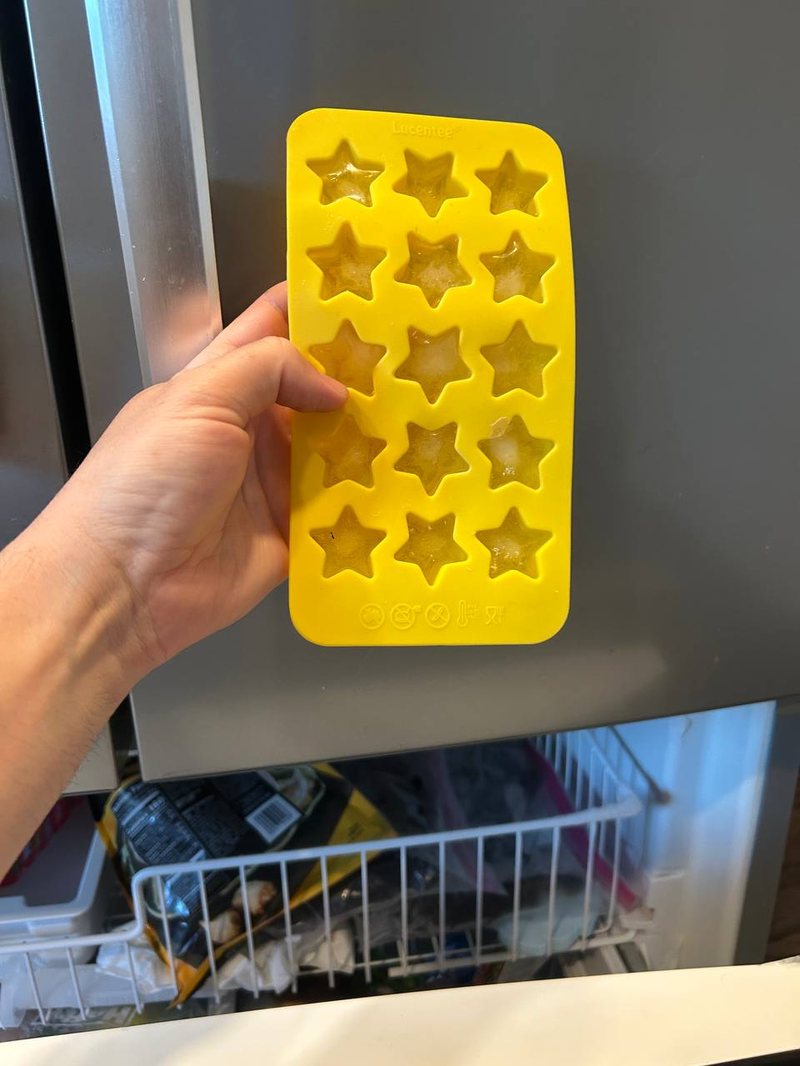
The call usually begins with a party. Someone on Harborview Dr or in Harbor Hill opened the freezer for a bag of ice and found the bin empty, then remembered it had been getting emptier for a month. Ice makers fail slowly, and by the time anyone notices, the fill valve has been narrowing for a year. What we service is the ice maker that lives inside a refrigerator, never a standalone ice machine, and we cover the whole area from the Harbor Country Dr shop: Gig Harbor, Fox Island, Purdy, Olalla, the Key Peninsula and Port Orchard on this side of the bridge, and the North End, West End, Ruston and Fircrest on the other, with no toll on the invoice.
Water quality decides how an ice maker fails. On the wells that serve Fox Island, Artondale and the Key Peninsula, hardness and iron close the inlet valve down until the mold only half-fills and what drops is small, cloudy and hollow. In Gig Harbor's moderately hard city water the same thing happens more slowly. On Tacoma Water in Proctor or Westgate the valve stays clean and the problem is instead a frozen fill tube, a failed mold heater or a control board that stopped after a PSE windstorm. In salt air along Ruston Way and Hale Passage, the module's own metal parts corrode. We look at the water before we look at the module.
The module has no power or the arm or optical sensor believes the bin is full. Sometimes the freezer is simply too warm for a harvest. We confirm freezer temperature, test the sensor and the module's power, and trigger a manual cycle to see what the unit will and will not do.
Too little water reaching the mold. The inlet valve is scaled from well water, the filter is spent, or house pressure has fallen off. The fill volume gets compared with the maker's specification, check the filter and pressure, and replace the narrowed valve from the truck.
The mold heater or its thermostat is not releasing the cubes, or the ejector is jammed by a stray cube that froze in place. We test the heater with the meter, clear the ejector, and replace the module if the heater has burned open.
The fill tube is frozen or pointed wrong so water misses the mold, or the valve keeps dribbling once it ought to have closed. We thaw and realign the tube, replace a valve that will not seat, and confirm a clean fill on two cycles.
A filter well beyond its date, a bin that has soaked up freezer odors, or iron and manganese from a well coming through. We change the filter, clean the bin and the mold, and tell you if the water itself needs treatment upstream of the refrigerator.
Built-in columns from Sub-Zero, KitchenAid and Thermador log codes for the ice system. We read the code, check the fill valve, water line, mold heater and drain where fitted, and say first if the manufacturer's own coverage still seems to apply to your unit.
An ice maker call starts at the wall. We check the saddle valve or shutoff, the filter date and the line for kinks, then measure pressure. Inside, we read freezer temperature, since no ice maker harvests in a freezer above 10 degrees, however healthy it is. Then the module: power at the connector, the bin sensor or arm, a harvest forced by hand and timed with a watch, and the fill measured in a cup against what the maker specifies. The mold heater and thermostat get the meter. In an hour we can usually tell you whether it is water, valve, module or board, and a single price goes on paper.
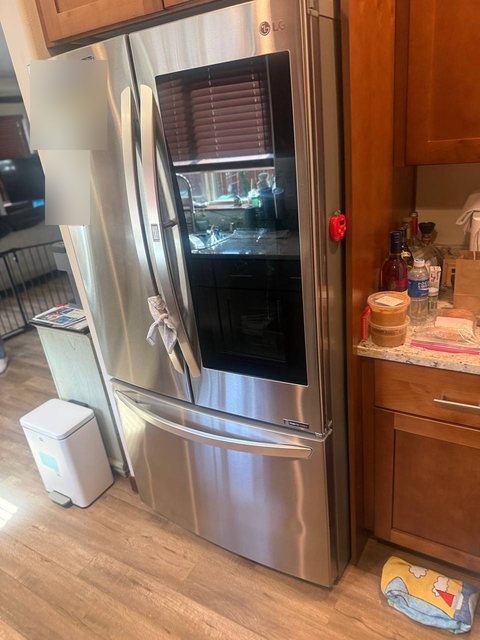
The ice makers we see most are in French-door units and side-by-sides from Whirlpool, KitchenAid, Samsung and LG, in GE and Frigidaire units, and in the Sub-Zero, Viking and Thermador columns in Canterwood, on Fox Island and in the bigger houses on N 30th in Tacoma. Second-home owners on the Key Peninsula often discover a dead ice maker on the first summer visit; they approve by text and the paperwork arrives by email. Pricing is the same on either shore. Approve the written repair figure and the $99 diagnostic has already been absorbed by it, never paid on top; decline and the visit ends at $99. Every figure comes after the diagnostic, on paper.
The mold is not filling. Gig Harbor's city water is moderately hard and slowly narrows the inlet valve; on Fox Island or Artondale wells it happens faster. A spent filter or low house pressure produces the same result. We measure the fill against the manufacturer's specification and a valve that has scaled down gets replaced.
Our work covers the ice maker inside a refrigerator, including the ice systems in Sub-Zero, KitchenAid and Thermador columns. Commercial ice machines and undercounter clear-ice makers fall outside our six machines, and you hear that on the phone rather than paying for a visit we cannot finish.
On a refrigerator that is otherwise sound, a module or an inlet valve is a modest repair, and the truck carries most of them. We write one number after the diagnosis so you can compare it with the cost of bagged ice; on a fifteen-year-old unit with other problems we may agree with you.
Often. When PSE restores power, the surge can take out the refrigerator's control board or the ice maker's own module, and a generator running rough in between can do the same. We test the board's output to the ice maker and the module separately, so you do not replace a whole board when only the module failed.
We come for any of the six machines, and an ice maker is one of them. The North End, West End, Ruston and Fircrest are on the route most days. The bridge toll going east is ours, and a Proctor ice maker gets the same written price a Gig Harbor one would.
Phone or form, either way a dispatcher sends a two-hour window and a text the moment the truck rolls — from Harbor Country Drive, or off the bridge deck for Tacoma stops.
Clamp meter, thermometer, manometer where propane is involved. The failed component is identified and explained, and one figure goes on paper with the $99 built into it.
The truck carries what salt air, iron water and outages break: fill valves, defrost heaters, igniters, rollers, relays. Anything ordered comes back on our schedule, not your bill.
A complete run of the machine while you watch, the floor and panels put back as found, and the warranty term printed on the invoice.
$99 gets the meter on it, the figure goes on the ticket, the part is usually already on board, and the coverage term is printed on the invoice. Same card on both shores of the Narrows.