Also on the truck · Fox Island
The rest of the lineup
$99 to meter it, one figure on the ticket, coverage printed on the invoice — identical for every machine in Fox Island.
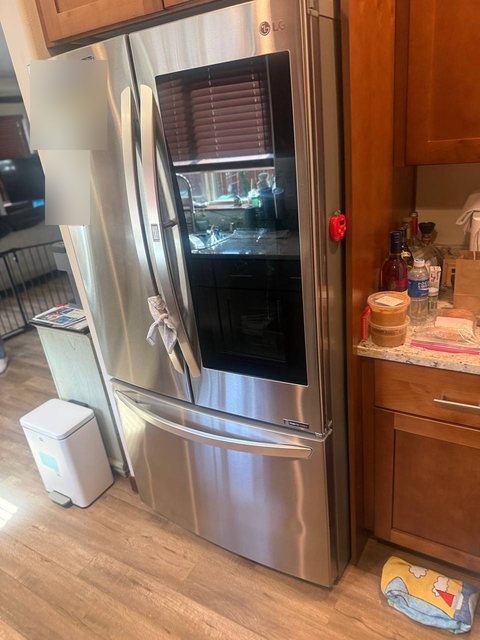
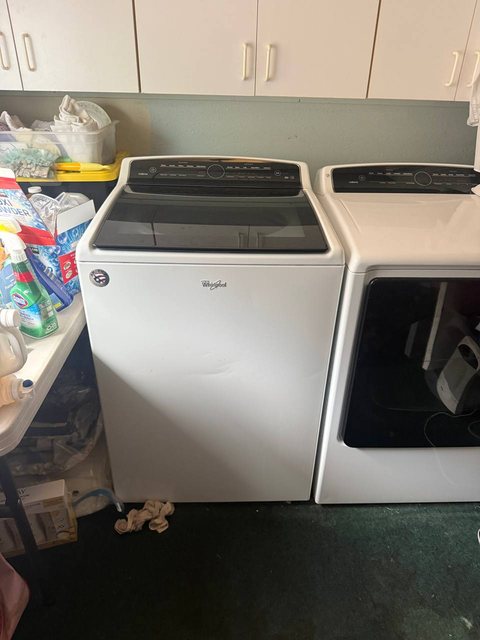
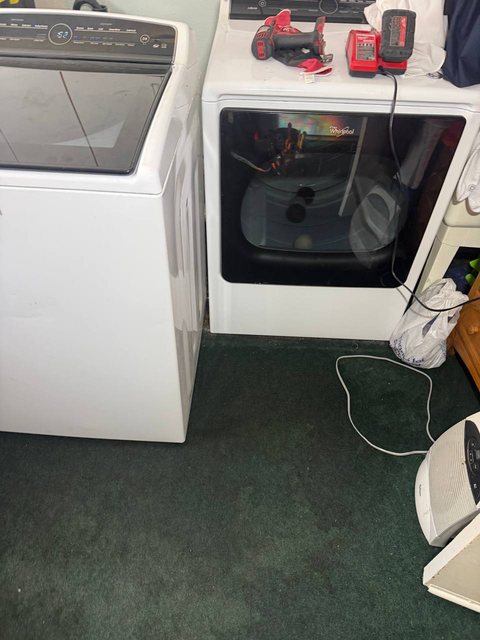
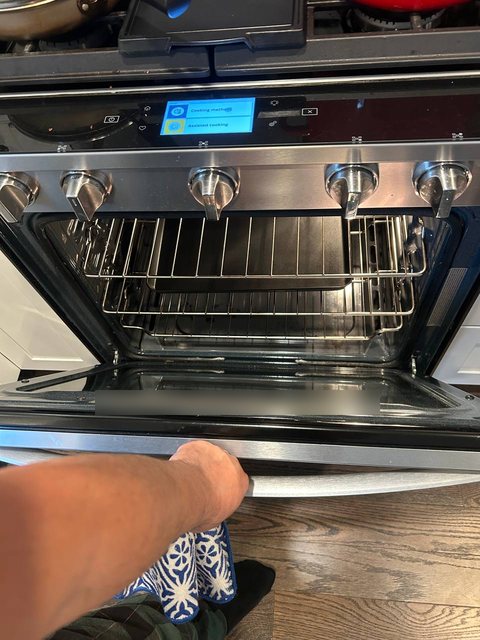
Chalk on the wine glasses, an orange tint up the tub, a KitchenAid that fills and sits silent.
Weekdays 8–6 · Saturday 9–3 · closed Sunday · truck based on 4425 Harbor Country Dr NW
$99 to meter it, one figure on the ticket, coverage printed on the invoice — identical for every machine in Fox Island.
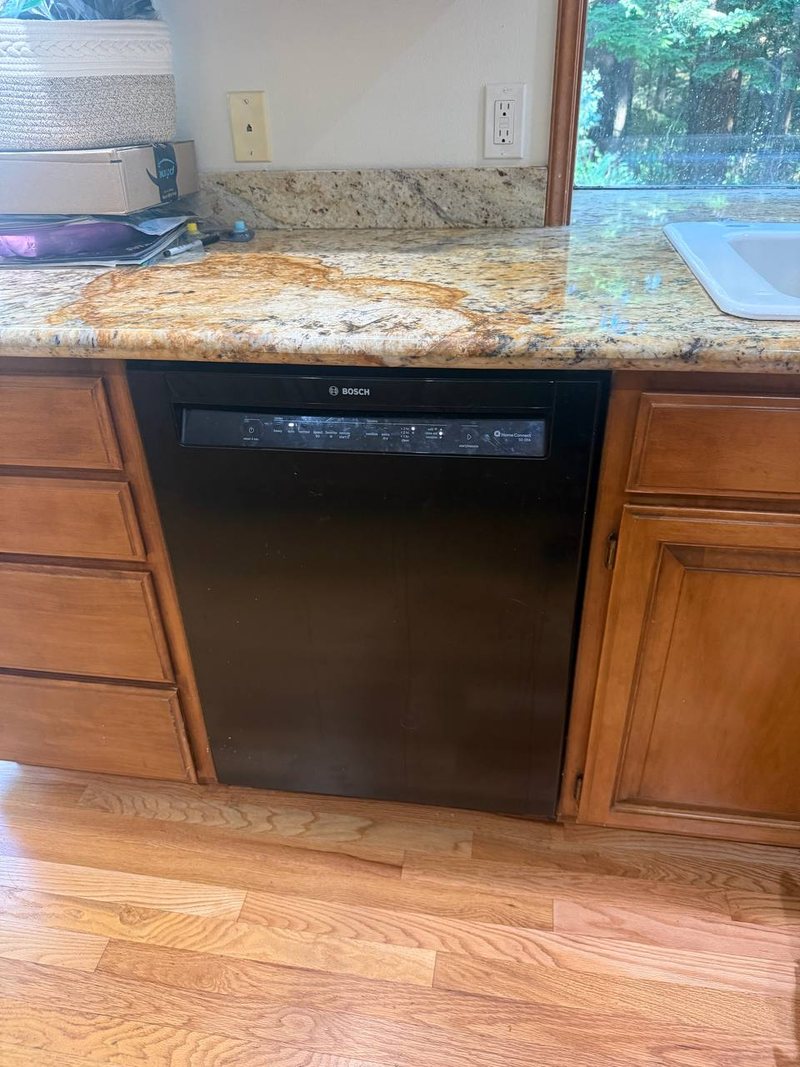
Every dishwasher on Fox Island drinks from a private well, and most of those wells carry enough hardness and iron that the house runs a softener, an iron filter or both. When the salt bin goes empty while the owners are in Seattle for a month, the dishwasher complains before anything else in the house: haze on the glassware, a chalky film on the black tub, spray arm holes closing up. When the iron filter lapses the tub turns tan, then orange. Because of this we start most Fox Island calls with a phone question about the softener, and on arrival with a glass held up to the light, since a film that vinegar removes is scale from the water and an etched glass that stays dull is detergent, and no part fixes either.
The island has no sewer, so each of those dishwashers drains to a septic tank, and a food trap never emptied or a pump passing grit sends more solids down than the tank wants. We point that out when we see it and stop short of septic advice. Then there is the air. Kitchens along Hale Passage and Carr Inlet, especially the view homes on Island Blvd with the doors open to the water all summer, breathe salt, and salt goes after the latch switch contacts, the ribbon connector on the control panel and the drain pump terminals long before anything mechanical wears out. A Bosch that will not respond to its buttons on the waterfront is more often corrosion than a dead board.
On the waterfront, salt air has corroded the latch switch, the ribbon cable or one of the board’s relays. Inland on the island, more often a latch whose switch never gets pressed closed, or a fuse on the control panel. We test the latch circuit and read the board before either is written on the quote; a corroded switch is a much smaller repair than a board.
Iron and manganese arriving from the well through a filter that needs attention. We confirm it at the tap so a rusting rack is not blamed on the water, clean what the staining has reached, and tell you when the inlet valve has begun to narrow, which is the point at which iron stops being cosmetic. The stain itself is a water finding, not a dishwasher fault.
Either the heating element has scaled over or burned open, or, on a Bosch or Miele that dries by condensation, the rinse-aid dispenser has quit dosing. The element is metered, the dispenser and vent are checked, and we say which behavior is normal for the model, since a Bosch does not blow hot air and is not broken for failing to.
Usually a chip of glass or a fruit label has jammed the drain pump, or a check valve is stuck shut, or the drain loop and counter air gap packed solid. We open the whole path from sump to sink, meter the pump winding under power, and only when the motor itself has failed does a replacement pump come off the truck.
Almost always the softener: salt bin empty, bypass valve left open after service, or a unit undersized for the well. A vinegar wipe on one glass separates scale from etching on the spot. We descale the element and arms, reset the rinse-aid dose, replace a detergent dispenser that no longer pops open, and say plainly when the softener is the whole repair.
Low spray pressure from a circulation pump with a worn impeller, arms blocked by scale or iron flakes, or an inlet valve narrowed so the tub under-fills. Fill volume gets measured, the arms cleared or swapped, and the pump run under load; on iron wells the flakes are often the filter’s problem showing up in the dishwasher.
Order matters here. The technician runs the kitchen tap first and looks at the water, then asks when the softener last took salt. Only then does the lower rack come out for a look at the sump, the filter and the spray arms. The toe kick comes off for the drain pump, float switch and inlet valve, and the meter reads drain pump, circulation motor, heating element and latch switch in turn while the board is queried for stored codes; a Bosch or Miele that stalls mid-cycle gets its service program run to catch the fault live. If the water is the culprit, you get shown the scale or the iron rather than sold a component. Otherwise the failed part is named plainly, photographed, and priced in one written figure, and if that part rode over the bridge with us the repair happens now.
KitchenAid and Bosch fill most Fox Island kitchens, Whirlpool, Frigidaire and GE the older cabins toward Fox Point, and Cove, Miele and Thermador the remodeled waterfront houses on Hale Passage and Carr Inlet. A good share of the island is second homes and rentals, so the routine is built for absent owners: gate code or caretaker for entry, photo and written figure by text, a reply to approve, then invoice and warranty document by email, kitchen left as it was found. The money works the same for a caretaker as for an owner standing in the kitchen: approve the repair figure and the $99 diagnosis has already been absorbed into it; wave the repair off and your bill stops at $99. No dishwasher price on Fox Island is spoken before the meter and the water test are finished, and every one is written down.
Almost certainly not. Check the softener salt first; island well water is hard enough that an empty bin shows on glassware inside two weeks. Rub one glass with vinegar. If it clears, the dishwasher is fine and the water was the problem. If it stays dull, the glass has etched, and detergent dose and rinse aid are what we talk about, not parts.
Yes, and much of our island work runs that way. A gate code, a caretaker or a lockbox gets us in. You receive a picture of the part that failed with a single written figure by text, reply to approve, and afterward the invoice and the warranty come to your inbox. The kitchen is left tidy and the gate closed behind us.
It changes what we look at, not how we meter. A filter nobody has ever cleaned, or a pump passing grit, sends more solids to the tank than it should, and we say so when we see it. The repair itself follows the same sequence as anywhere. Anything about the tank or drain field belongs to a septic contractor, not to us.
Because the parts that fail first are electrical contacts, not pumps. The latch switch, the ribbon connector behind the control panel and the drain pump terminals pit and green over in a kitchen open to Carr Inlet or Hale Passage. A waterfront Bosch that ignores its buttons is usually a corroded latch or connector, and we test both before a board is ever quoted.
Usually inside the week, and next business day is common; we run Monday through Saturday. Have the make and model ready when you call, and the right pump, valve or latch crosses with the truck. Should the part need ordering, coming back to fit it adds nothing to your bill.
Phone or form, either way a dispatcher sends a two-hour window and a text the moment the truck rolls — from Harbor Country Drive, or off the bridge deck for Tacoma stops.
Clamp meter, thermometer, manometer where propane is involved. The failed component is identified and explained, and one figure goes on paper with the $99 built into it.
The truck carries what salt air, iron water and outages break: fill valves, defrost heaters, igniters, rollers, relays. Anything ordered comes back on our schedule, not your bill.
A complete run of the machine while you watch, the floor and panels put back as found, and the warranty term printed on the invoice.
$99 gets the meter on it, the figure goes on the ticket, the part is usually already on board, and the coverage term is printed on the invoice. Same card on both shores of the Narrows.