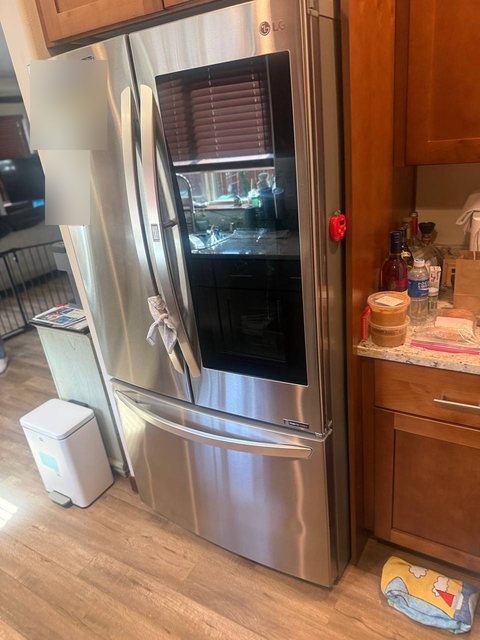
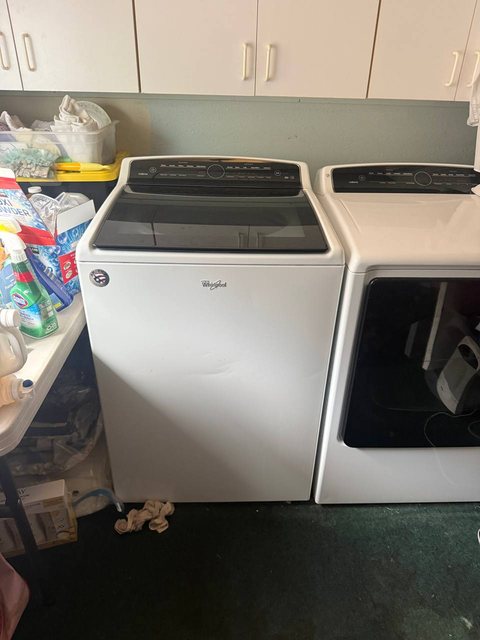
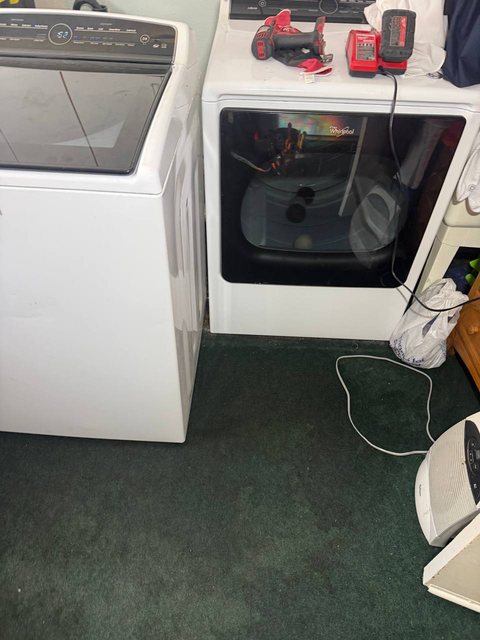
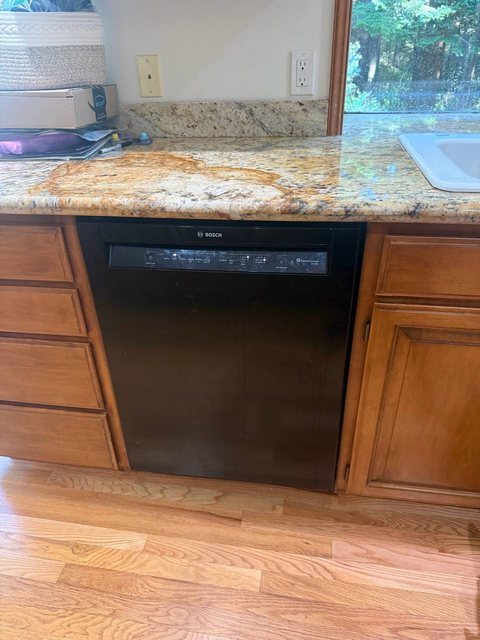
Also on the truck · Fox Island
The rest of the lineup
$99 to meter it, one figure on the ticket, coverage printed on the invoice — identical for every machine in Fox Island.
The flame is yellow, the pans are black underneath and the oven will not hold a simmer or a temperature.
Weekdays 8–6 · Saturday 9–3 · closed Sunday · truck based on 4425 Harbor Country Dr NW
$99 to meter it, one figure on the ticket, coverage printed on the invoice — identical for every machine in Fox Island.
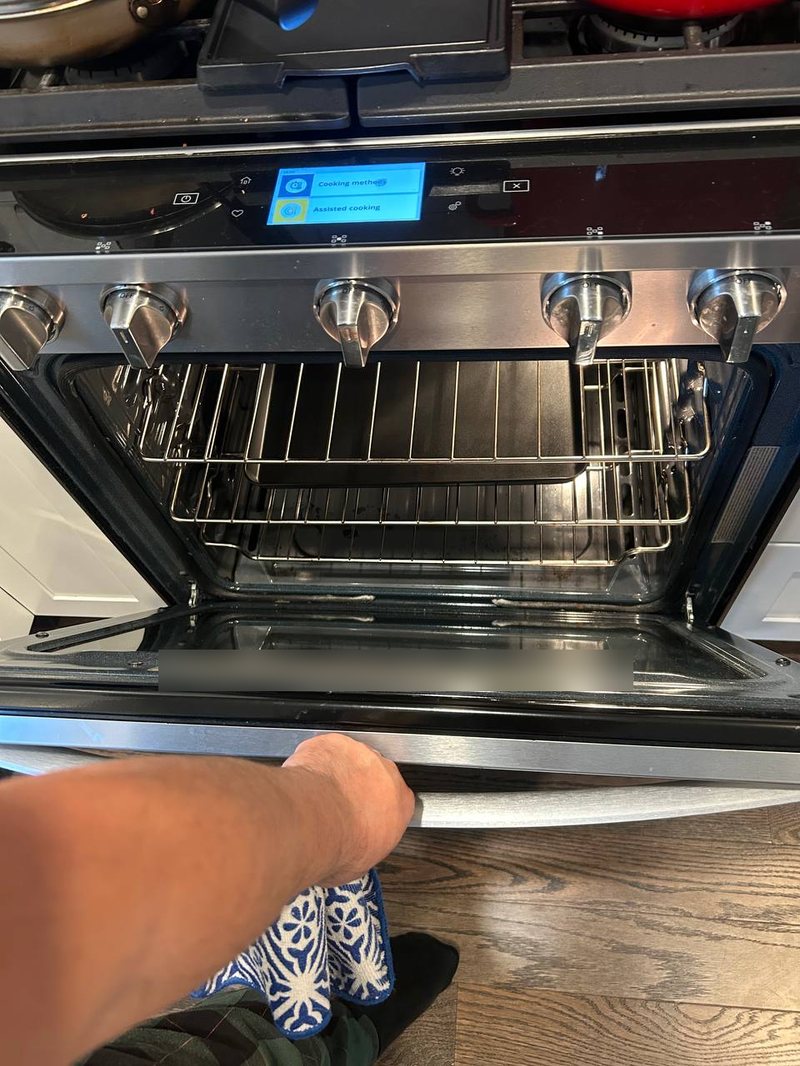
No natural gas main crosses the Fox Island Bridge, so every gas range on the island burns propane from a tank, and every one of them had to be converted from the natural-gas setup it left the warehouse with. Many were not, or were converted halfway. The signs are the same in a Wolf on Hale Passage and a GE on 9th Ave: a tall yellow flame that soots the pan bottoms, an oven that over-fires and then cannot hold 325, burners that will not turn down to a simmer, and a propane smell at ignition. We bring the orifice kits and regulators for the common brands over the bridge from the Gig Harbor shop and put the flame right.
Electric and induction ranges are the other half of the island, especially in the newer view homes along Fox Island Blvd and Island Blvd, and they have a different problem: the November windstorms. Fox Island loses PSE power for days some years, generators carry the house, and when the grid returns with a surge the oven control board is often the casualty. An F-code the morning after the lights come back is a call we expect each winter. Salt air off Carr Inlet does the slow work in between, pitting spark igniters and spark modules on ranges near an open window or in an outdoor kitchen on the deck.
Propane burning through natural-gas orifices, or a regulator never switched to propane, or air shutters set for the wrong fuel. We confirm the fuel, fit the correct orifices, set the regulator and adjust each burner until it burns blue and holds a low simmer.
On an unconverted propane oven, too much fuel; on a converted one, a weak glow-bar igniter or a drifting oven sensor. We check the conversion, meter the igniter's current draw and the sensor's resistance, and correct whichever is wrong. Over-firing also shortens the life of the igniter.
A spark igniter pitted by salt air, a cracked insulator, a spark module soaked in cleaning or a burner cap set crooked. We clean and dry the spark path, reseat the cap, test the module and replace the igniter only if it reads bad.
A control board damaged by the surge when PSE restored power, or a sensor or lock the board is correctly reporting. We test the sensor and lock with the meter first and quote the board only if it is truly the failure.
Induction: a coil, power board or the fan that cools the electronics. Radiant glass-top: an element or its surface switch. We test the element and switch, or the board and fan, and write the price for the one part that has failed.
The island's waterfront kitchens carry these, often on propane. We diagnose them independently, check the conversion, read their codes and tell you first if the maker's own coverage still seems to apply before we quote anything. Their propane orifice kits are ordered by model, not stocked.
We begin at the tank side of the range: propane pressure at the regulator, the regulator's conversion setting, and the orifice stamped size on a burner. On electric and induction ranges the terminal block gets a voltage check on each of its two hot legs. Then the meter: current through the glow-bar igniter, resistance across the elements and the oven sensor, continuity through the lock. Each burner is lit and the flame watched for color and shape. A displayed code is cleared and reproduced. Before the hour is out you have the failed part's plain name, a photo if you are off-island, and one price on paper.
GE, Whirlpool, Frigidaire, Samsung, LG and KitchenAid ranges fill most Fox Island kitchens, with Wolf, Thermador, Viking and Dacor in the waterfront homes on Hale Passage and Carr Inlet. We are independent of every maker and say so; if your Wolf appears to be within the manufacturer's coverage, we tell you before quoting. Owners in Seattle see the photo, text back their approval, and find the invoice with its warranty term in their inbox. Crossing the bridge changes nothing about the money: the diagnosis costs $99, that amount is counted toward the written figure once you approve the repair, it stands alone when you decline, and no figure is ever given before the diagnostic or anywhere but on paper.
It is almost certainly running propane through natural-gas orifices, or the regulator was never switched. Ranges ship set up for natural gas and the conversion is a separate step that is often skipped at delivery. We fit the correct orifices, convert the regulator and set each burner for a blue flame that holds a simmer.
We diagnose and correct propane setups on ranges that were installed without conversion or converted incompletely, using the maker's orifice kit for your model. When the kit for your range is not aboard, we order it and fit it on a second crossing that adds nothing to your bill.
Maybe, but not certainly. The surge when power returned can damage the board, yet the same code can come from a sensor or door lock that the board is reporting correctly. We meter the sensor and lock first. If the board is the failure we say so and write one number.
Yes, on propane and electric. We are not the maker's dealer and do not claim to be; if your range still looks to be within the manufacturer's own coverage, we tell you first. Photograph any code on the display so we know what parts to bring across the bridge.
Yes. Given a gate code or lockbox, we run the diagnosis, text you a photo with a single written figure, and proceed once you say so. After a propane conversion every burner and the oven get tested before we leave, and the invoice with its written warranty reaches your email that same day.
Phone or form, either way a dispatcher sends a two-hour window and a text the moment the truck rolls — from Harbor Country Drive, or off the bridge deck for Tacoma stops.
Clamp meter, thermometer, manometer where propane is involved. The failed component is identified and explained, and one figure goes on paper with the $99 built into it.
The truck carries what salt air, iron water and outages break: fill valves, defrost heaters, igniters, rollers, relays. Anything ordered comes back on our schedule, not your bill.
A complete run of the machine while you watch, the floor and panels put back as found, and the warranty term printed on the invoice.
$99 gets the meter on it, the figure goes on the ticket, the part is usually already on board, and the coverage term is printed on the invoice. Same card on both shores of the Narrows.