Also on the truck · North End Tacoma
The rest of the lineup
$99 to meter it, one figure on the ticket, coverage printed on the invoice — identical for every machine in North End Tacoma.
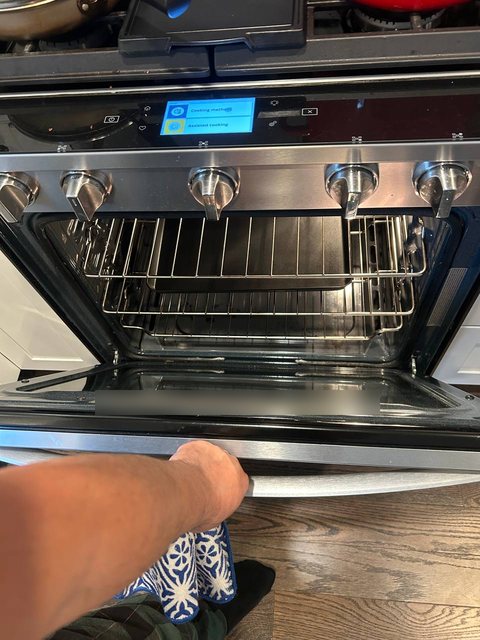
The front-left burner on a North End Tacoma range clicks and never catches, the oven takes twenty minutes to reach 350, and the display shows a code nobody can find in the manual.
Weekdays 8–6 · Saturday 9–3 · closed Sunday · truck based on 4425 Harbor Country Dr NW
$99 to meter it, one figure on the ticket, coverage printed on the invoice — identical for every machine in North End Tacoma.
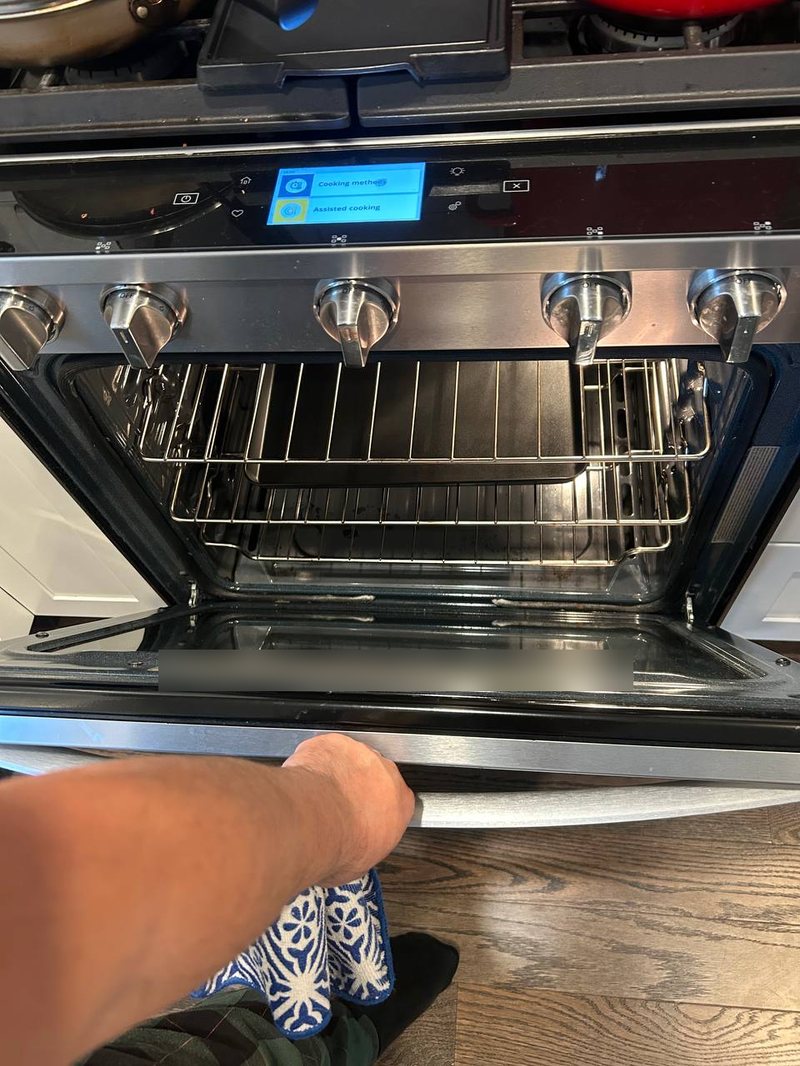
It starts with one burner. In a Proctor kitchen a spark igniter clicks and clicks and the gas does not catch until you tilt a lit match toward it. Two weeks later the oven igniter is glowing dull orange for fifteen minutes before the bake burner lights, if it lights. The range is a twelve-year-old gas unit on a PSE line that has fed this house since the 1920s, and both faults are ordinary and repairable. We come over the Narrows from Gig Harbor, drop onto N 21st St or 6th Ave, and work Proctor, the North Slope, Old Town and the streets around Stadium High School with the toll on our own books.
The bigger houses on N Yakima and N 30th have another sort of range: a Wolf dual-fuel, a Thermador with a steam oven beside it, a Viking that came with the remodel. They fail differently, with F-codes on the wall oven, a spark module lighting all four burners whenever one knob turns, a convection fan that grinds. Closer to Commencement Bay the salt air pits spark electrodes and igniter leads years early. Electric and induction ranges here mostly fail from age and the occasional surge after a winter outage: a dead glass-top element, a control board that stopped talking to the oven. The soft city water plays no part.
A cracked or fouled spark electrode, a tired spark module, or a burner cap that went back crooked after cleaning. We test each burner’s spark and the module before anything is replaced, dry an electrode that has taken a boil-over, and check for salt-air corrosion on the leads, the usual reason a good module seems to fail near the bay.
A gas igniter whose current has fallen below what the valve needs, or on electric a failed bake element or relay board. Igniter amperage or element resistance gets measured against the maker’s figure and truck stock supplies the part; the gas valve is almost never the fault and is not changed on a guess.
A drifting temperature sensor or a board that has lost calibration. We track the actual temperature over a full cycle with a thermometer and compare it to the sensor’s resistance at that temperature before deciding which one has failed; a sensor that reads true points at the board, and a sensor that reads high or low is the repair.
On Wolf, Thermador, GE and Whirlpool wall ovens the code usually indicates one of three things: sensor, door lock or board. We read it, confirm it with the meter at the part it names and explain what it means in plain words; a code that returns on the first bake is diagnosed at the sensor, not at the display.
A spark module or a switch with a shorted contact, sometimes moisture in a switch after a boil-over. We isolate each switch and test the module before quoting, because the same symptom comes from a wet switch that dries out in a day and from a module that is finished, and the two are very different repairs.
A failed radiant element, a burnt switch, an induction generator board or a scorched terminal block. Element and switch get metered and the block gets checked for heat damage first; on an induction cooktop we also check the cooling fan, since a generator that overheats because its fan has seized fails again after the board is changed.
With a gas range the technician starts by lighting each burner and the oven and watching, then measures manifold pressure and checks each igniter. Current draw on the oven igniter tells whether it is strong enough to open the safety valve; a dull glow that never lights is the usual answer. Spark modules and switches are tested when burners click without catching. The oven sensor gets compared with a thermometer. On an electric or induction range the meter goes to the elements, the switches, the terminal block and the board. Once the failed part is known, a single price with the $99 counted in goes on paper, and common igniters, elements and sensors are already on the truck.
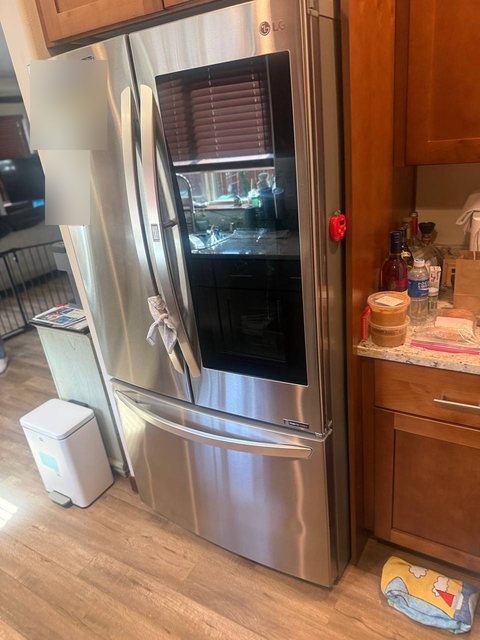
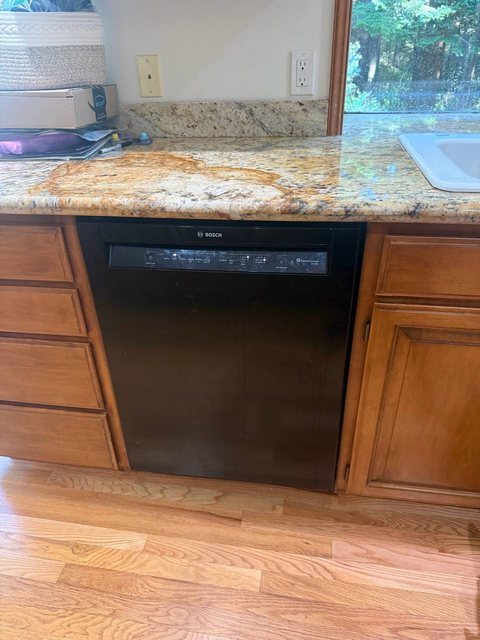
We repair GE and Whirlpool ranges, Frigidaire and Maytag, Samsung and LG, KitchenAid, Bosch and Kenmore across North End Tacoma, and the Wolf, Thermador and Viking ranges, along with Dacor and Miele wall ovens, in the larger Craftsman and Tudor kitchens of Old Town, the North Slope and N Yakima. We hold no dealership for any of them, and if the maker’s own coverage might still apply to a built-in we say so before starting. The bridge toll is never added to the invoice. Approve a range repair and its number already counts the $99 diagnostic; a declined repair bills at $99; either way no range repair price here comes before the diagnostic or off paper.
Yes. We service both, along with Viking, Dacor and Miele, and we are not a dealer for any of them. If the maker’s own coverage might still apply to your range we tell you before starting so you can decide. Common parts for these lines ride on the truck, and the harder-to-find ones come out on a return trip that adds nothing to the invoice.
No. The toll is charged eastbound, we pay it as part of running the truck, and your invoice shows only the diagnostic and the repair. The price card is the same one the peninsula sees, and it is written before the work begins rather than totaled afterward.
The igniter. A hot-surface igniter weakens with age: it still glows, but the current it pulls falls below what the gas valve needs to open. Few range repairs are more common, and it is usually done in a single visit, with the oven run to temperature afterward so you can see it light the way it used to.
It can. Spark electrodes, igniter leads and the connectors behind the cooktop corrode faster in a kitchen that breathes bay air, and a burner that clicks without lighting is often the first sign. We check the leads and electrodes on every North End range call and clean or replace the ones the salt has reached.
Usually not. A surge on the return can knock out a relay board or confuse a control board into a code that will not clear. We test the board, the elements and the sensor before anyone decides the range is finished, and often the fix is a single board with the rest of the range in good order.
Phone or form, either way a dispatcher sends a two-hour window and a text the moment the truck rolls — from Harbor Country Drive, or off the bridge deck for Tacoma stops.
Clamp meter, thermometer, manometer where propane is involved. The failed component is identified and explained, and one figure goes on paper with the $99 built into it.
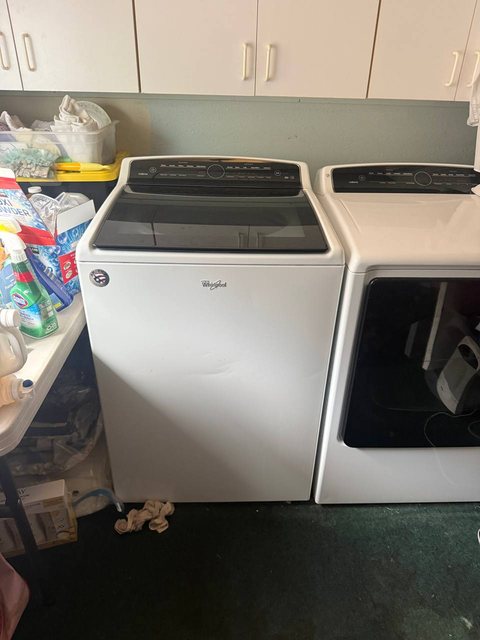
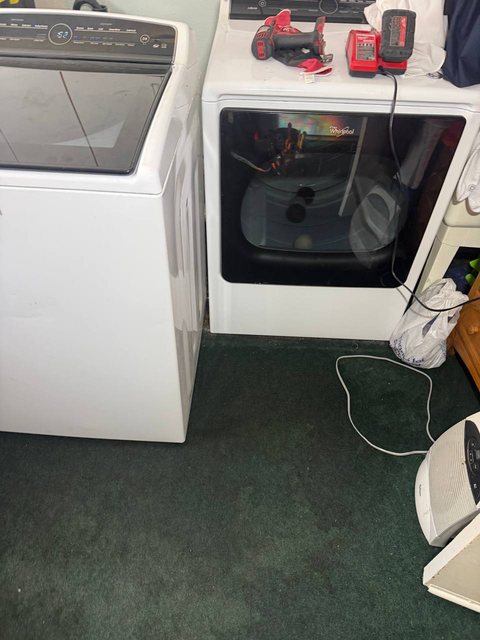
The truck carries what salt air, iron water and outages break: fill valves, defrost heaters, igniters, rollers, relays. Anything ordered comes back on our schedule, not your bill.
A complete run of the machine while you watch, the floor and panels put back as found, and the warranty term printed on the invoice.
$99 gets the meter on it, the figure goes on the ticket, the part is usually already on board, and the coverage term is printed on the invoice. Same card on both shores of the Narrows.