Also on the truck · Artondale & Purdy
The rest of the lineup
$99 to meter it, one figure on the ticket, coverage printed on the invoice — identical for every machine in Artondale & Purdy.
Small cloudy cubes, then a few hollow ones, then nothing: that is a fill valve in Artondale and Purdy narrowing on hard well water.
Weekdays 8–6 · Saturday 9–3 · closed Sunday · truck based on 4425 Harbor Country Dr NW
$99 to meter it, one figure on the ticket, coverage printed on the invoice — identical for every machine in Artondale & Purdy.
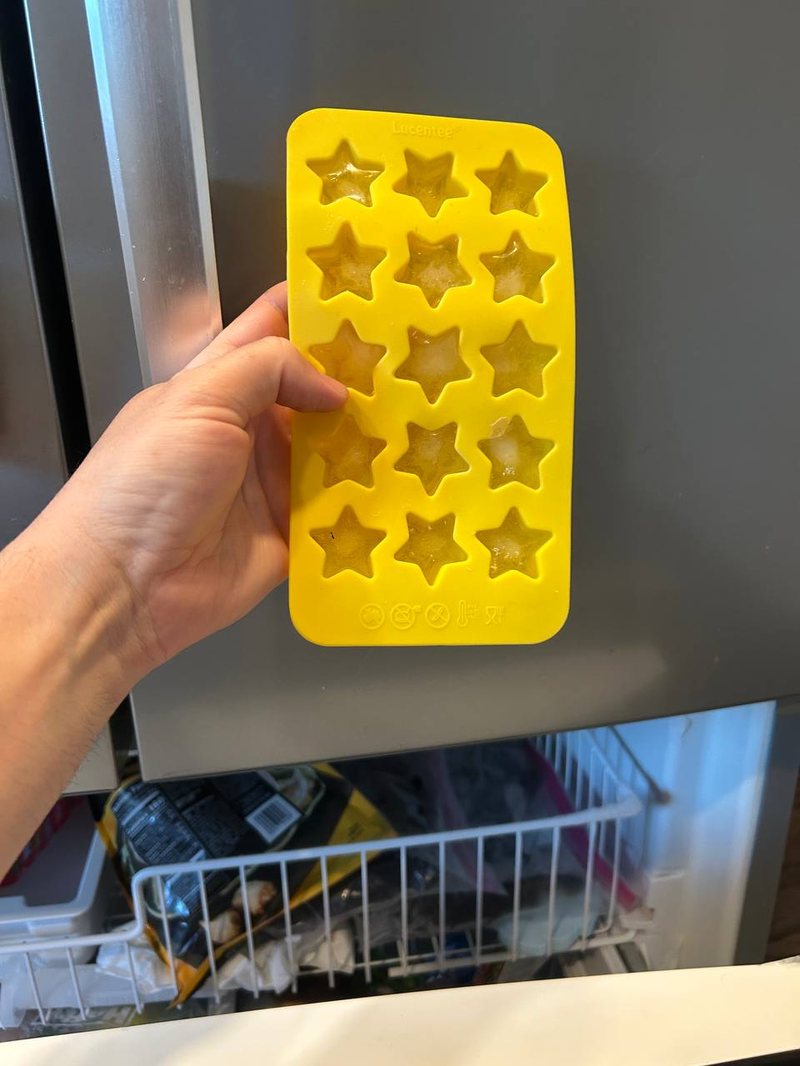
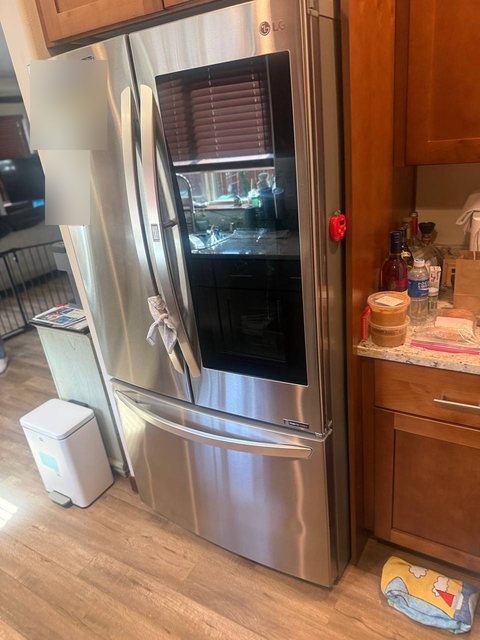
The ice maker is the smallest water appliance in the house and the first to feel a hard well. Water from the aquifer under Artondale and Purdy carries calcium, iron and manganese, and the fill valve behind a refrigerator only passes a few ounces at a time through a small port. Scale builds at that port, the fill gets short, the cubes shrink and turn hollow, and finally the valve closes for good. Homes on Ray Nash Dr, on the acreage off Hwy 302 and in the newer kitchens along Purdy Dr all run the same water, and the truck reaches them by Hwy 16 north from the shop.
The other repeat call is the frozen fill tube. A valve that dribbles after it closes leaves a drop at the end of the tube that freezes, the next drop freezes on top, and inside a week the tube is a solid plug and the bin is empty. On a French-door model that makes its ice in the door, the water line passes through the hinge and freezes at that point. We also see iron-stained cubes when a filter has been skipped for a year, and ice makers on garage refrigerators near Henderson Bay whose water valve has corroded in the salt-damp air. Each is a specific fault with a specific test.
Scale closing the fill valve, ice plugging the fill tube, a dead module or a shut-off arm left up. We check the arm and the filter first, then meter the valve coil and the module before replacing anything; a valve that reads fine but passes no water is scaled, and that is the usual finding on a well.
Short fill from a valve whose port has narrowed with well-water scale, or low pressure from a clogged filter. A manual harvest lets us measure the fill volume; a restricted valve gets replaced, the inlet screen is checked for grit, and confirm the new fill matches the maker’s figure before we leave.
A filter long past its life, well water heavy with iron, or an old cube batch soaking up freezer odors. The filter date comes first, look at the water quality at the sink, clean the bin and mold, and tell you whether an iron filter upstream is the real fix rather than a part on the refrigerator.
A heater or thermostat in the mold that fails to release the cubes, or an ejector jammed by a stray cube. We test the mold heater and the ejector motor with the meter, clear any jam, and fit a new module when the old one tests dead; a module is a same-visit part on most refrigerators.
A valve that does not fully close, a cracked fill cup or a misaligned fill tube. We watch a fill cycle from start to finish, meter the valve for a coil that is not seating, and reseat or replace the part that is letting water past, then check the freezer floor is dry an hour later.
On Sub-Zero and Thermador units near Carr Inlet we check the water valve, the pump on units that have one, and the condenser for salt-air corrosion before quoting anything. Built-in ice makers have their own sensors and drain, and we carry the common parts for them on the truck.
An ice maker diagnosis starts at the supply. Pressure is read where the line begins, at the saddle valve or the refrigerator inlet, looks at the filter and its date, and inspects the fill tube for the ice plug that stops so many units. Then the fill valve is metered and a manual harvest is triggered so the fill can be measured against what the maker specifies. The module’s heater, motor and thermostat are tested next, then the freezer temperature is confirmed, because a freezer running warm makes a slow ice maker look broken. Then the part that failed gets a plain name and a single price goes on paper. Valves and modules for common refrigerators ride on the truck.
Across Artondale and Purdy the ice makers we repair sit inside Whirlpool, GE, Samsung and LG refrigerators, plus KitchenAid, Frigidaire and Kenmore, and inside the Sub-Zero, Thermador and Viking columns of the larger houses on Henderson Bay and toward Kopachuck. We do not repair standalone commercial ice machines. Owners who are away text back an approval and find the invoice and warranty in their inbox. Once you approve the ice maker repair, the $99 diagnostic is absorbed by that figure; choose not to repair and the $99 stands alone as the charge. No price exists before the diagnostic, and afterward every figure goes on paper.
Because well water here carries enough mineral to narrow the fill valve port, and the valve is the part that sees every drop. A softener upstream slows it down considerably. A new valve goes in, the filter and the pressure are checked, and the fill is set so the new valve lasts as long as it should.
Yes. Salt-damp air in a garage on the water corrodes the water valve and the module contacts early, and a garage that swings cold in winter can slow the harvest cycle. We check both and tell you what the location is doing to the machine, and what a closed garage door would do for it.
Usually it is the valve, which drips after it closes and builds an ice plug at the end of the tube. Sometimes a failed tube heater is the cause. We thaw the plug, watch a fill and meter the valve so the plug does not come back the following week.
We do, and we are independent of both makers. If their coverage might still apply to your unit, we tell you before starting. Built-in ice makers use their own valves, pumps and sensors; the common ones travel with us, so most of these repairs wrap up on the first visit.
Sometimes. Cubes that sit for weeks absorb odors, and a filter that is a year past its date does not help. The filter is checked, the bin and mold are cleaned, and we confirm the door gasket is sealing so freezer air is not carrying smells to the ice; often the fix is a filter and a fresh batch.
Phone or form, either way a dispatcher sends a two-hour window and a text the moment the truck rolls — from Harbor Country Drive, or off the bridge deck for Tacoma stops.
Clamp meter, thermometer, manometer where propane is involved. The failed component is identified and explained, and one figure goes on paper with the $99 built into it.
The truck carries what salt air, iron water and outages break: fill valves, defrost heaters, igniters, rollers, relays. Anything ordered comes back on our schedule, not your bill.
A complete run of the machine while you watch, the floor and panels put back as found, and the warranty term printed on the invoice.
$99 gets the meter on it, the figure goes on the ticket, the part is usually already on board, and the coverage term is printed on the invoice. Same card on both shores of the Narrows.