Also on the truck · Gig Harbor
The rest of the lineup
$99 to meter it, one figure on the ticket, coverage printed on the invoice — identical for every machine in Gig Harbor.
Cloudy pebbles where a full bin used to be, or silence since the windstorm took the power down.
Weekdays 8–6 · Saturday 9–3 · closed Sunday · truck based on 4425 Harbor Country Dr NW
$99 to meter it, one figure on the ticket, coverage printed on the invoice — identical for every machine in Gig Harbor.
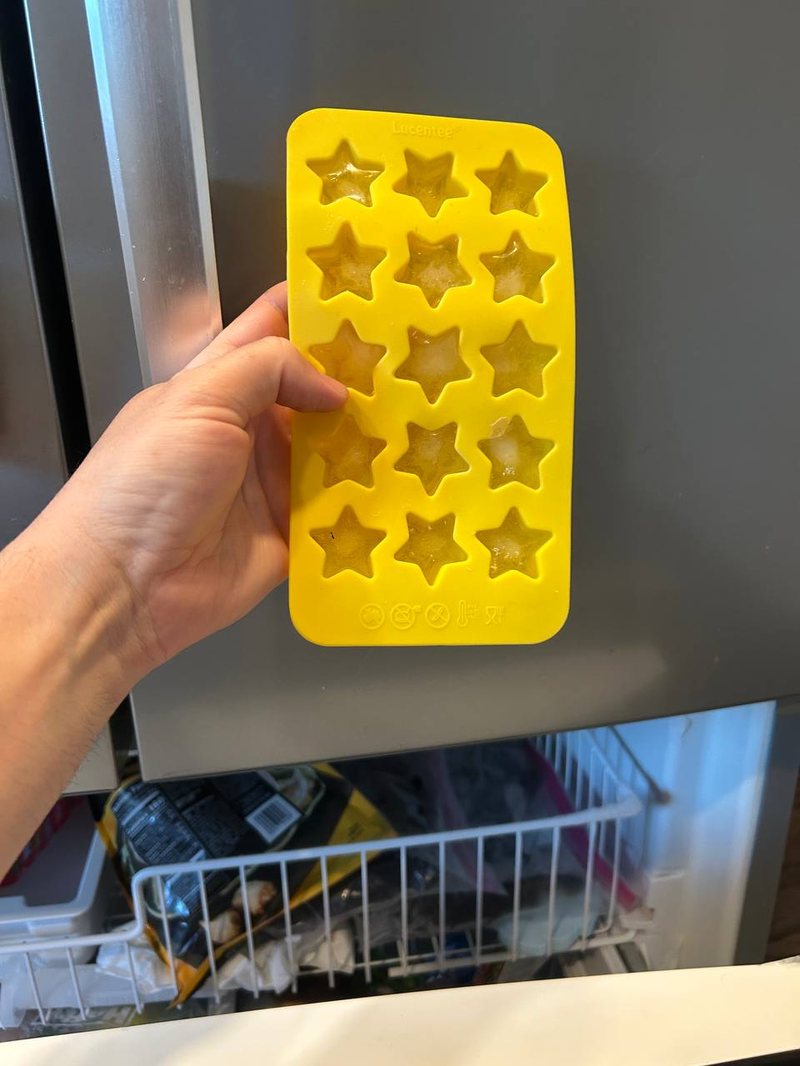
Our trucks leave from Harbor Country Dr, just off Olympic Dr where Hwy 16 comes into town, so an ice maker anywhere in Gig Harbor is on the way to somewhere else. The ones that fail earliest sit in kitchens facing the water. Along Harborview Dr and the netshed row, salt drifts in through open windows and settles on the ejector arm, the mold heater leads and the module plug, and green corrosion does in three years what a decade of ordinary use would do. Inland, in Harbor Hill or Canterwood, the enemy is quieter: the city's well-fed water is moderately hard, so year by year the fill valve's port narrows, and eventually the cubes arrive at half their size.
The second Gig Harbor pattern arrives with the weather. A November windstorm drops the Peninsula Light lines around Wollochet Bay or Point Fosdick for a night, a generator carries the refrigerator, and when the grid comes back the ice maker module or one output on the control board is gone. Nobody knows until the dispenser rattles empty a week later. We meter the board's signal and the module on their own, so one part gets replaced rather than two. Column ice systems in KitchenAid, Thermador and Sub-Zero built-ins are in the same workload. Freestanding ice machines and undercounter clear-ice units are not, which we make clear on the phone instead of after a visit.
Water is landing somewhere other than the mold. Either the fill tube has frozen and diverted the stream, or the inlet valve keeps weeping after it closes. We melt the plug, aim the tube back at the cup, swap a valve that will not seat and run two fills to prove it. Door-dispenser models get their chute flap checked at the same time.
Three suspects: a filter that expired a year ago, a bin soaking up freezer odors, or minerals arriving through the line. Houses just past the city limits on wells send iron this way first. We fit a fresh filter, wash the mold and bin and say plainly if the water needs treating before it reaches the refrigerator.
The mold is being shorted on water. In Gig Harbor that is usually a valve port choked by mineral, though a tired filter or weak house pressure gives the same result. We catch a fill in a measuring cup, compare it with the manufacturer's figure, read the pressure and put a new valve in from the truck.
The mold heater or its thermostat has stopped releasing the cubes, or a rogue cube has locked the ejector. On waterfront units the heater leads are often corroded through. We read the heater's resistance, release the ejector and change the module when the heater has burned open.
Either the module has no supply, the bin arm or optical eye believes the bin is full, or the freezer compartment is too warm for a harvest to finish. Freezer temperature gets read first, followed by the sensor and the power at the module plug, then a forced cycle shows what the unit does on its own.
Thermador, KitchenAid and Sub-Zero columns in Canterwood, Harbor Hill and along Harborview Dr keep an ice-system fault log. We read it, then test valve, line, mold heater and drain where fitted. We are independent of every maker; if the manufacturer's own coverage looks current, you hear that from us before any figure is written.
We work from the supply inward. The shutoff behind the refrigerator or under the sink is confirmed open, the filter date is read, the line is traced for kinks and the pressure is measured. Then the freezer thermometer, since a compartment sitting above roughly 10 degrees will not drop ice whatever module we fit. Only then does the module itself get attention: supply voltage at its plug, the bin arm or optical eye, a forced cycle timed on a watch, the fill caught in a cup and set against the maker's number, resistance across the heater and thermostat. By the end of the hour we know whether water, valve, module or board is at fault, and a single figure goes on paper.
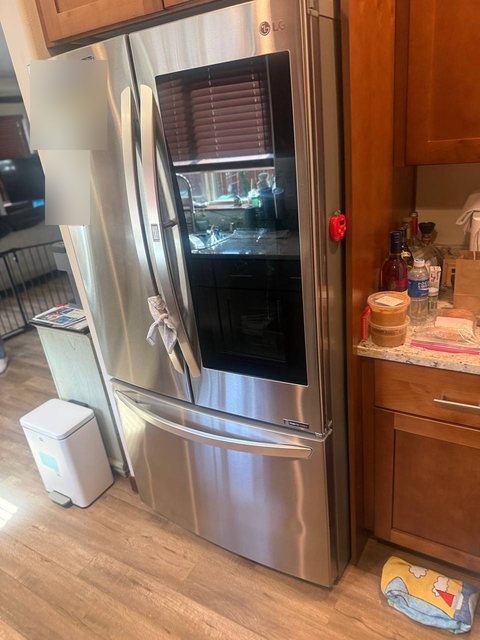
The refrigerators carrying these ice makers are mostly LG, Samsung, GE, Frigidaire, Whirlpool and KitchenAid side-by-side and French-door models, with Thermador, Viking and Sub-Zero columns in the Canterwood and Harborview Dr kitchens. A harbor house opened in June with an empty bin is handled remotely: a photo of what failed, approval returned by text, and the invoice with its warranty term delivered to the inbox. Money works one way. The diagnosis costs $99. Give the repair the go-ahead and the written figure has already absorbed that $99; hold off and $99 ends the visit. We speak no price until the meter has finished with the machine, and we write every price down.
Because the mold is not being filled all the way. City water here carries enough mineral to choke the inlet valve within a few years, and an expired filter or low house pressure produces the same result. We measure what actually reaches the mold, and if the valve has closed down, a new one goes in the same visit.
Yes, and it does. Every door opening admits kitchen air, and on the waterfront that air carries salt onto the module plug, the ejector and the heater leads. We routinely find a green-crusted connector on a netshed-row unit where a Harbor Hill unit of the same age would be clean, and we clean the harness before fitting anything new.
Rarely. The surge at restoration, or rough generator power beforehand, tends to take the ice maker module or a single output on the control board while the cooling circuit is untouched. We test the board's signal to the module and the module itself separately so you are not buying a board for a module fault.
We do, in Canterwood, Harbor Hill and the waterfront remodels. We are not the maker's dealer, and if the manufacturer's coverage still seems to be in force on your column we say so ahead of any figure. A photo of the displayed code helps us load the right valve or pump before we leave the shop.
No. Our six machines include the ice makers inside refrigerators and refrigerator columns, and nothing else that makes ice. Commercial ice machines and undercounter clear-ice units belong with a specialist, and you hear that from us when you call, not when we arrive.
Phone or form, either way a dispatcher sends a two-hour window and a text the moment the truck rolls — from Harbor Country Drive, or off the bridge deck for Tacoma stops.
Clamp meter, thermometer, manometer where propane is involved. The failed component is identified and explained, and one figure goes on paper with the $99 built into it.
The truck carries what salt air, iron water and outages break: fill valves, defrost heaters, igniters, rollers, relays. Anything ordered comes back on our schedule, not your bill.
A complete run of the machine while you watch, the floor and panels put back as found, and the warranty term printed on the invoice.
$99 gets the meter on it, the figure goes on the ticket, the part is usually already on board, and the coverage term is printed on the invoice. Same card on both shores of the Narrows.