Also on the truck · Port Orchard
The rest of the lineup
$99 to meter it, one figure on the ticket, coverage printed on the invoice — identical for every machine in Port Orchard.
Standing water after the cycle tops the list of Port Orchard dishwasher complaints, with filmed glasses and a panel that only blinks close behind.
Weekdays 8–6 · Saturday 9–3 · closed Sunday · truck based on 4425 Harbor Country Dr NW
$99 to meter it, one figure on the ticket, coverage printed on the invoice — identical for every machine in Port Orchard.
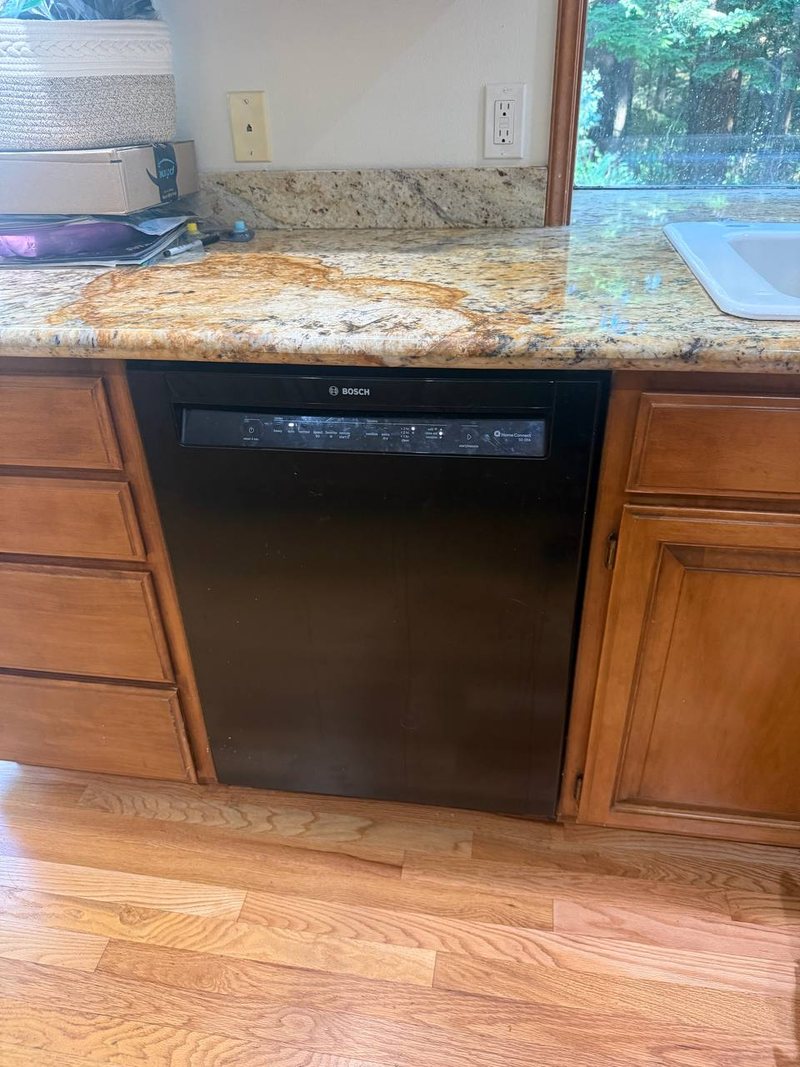
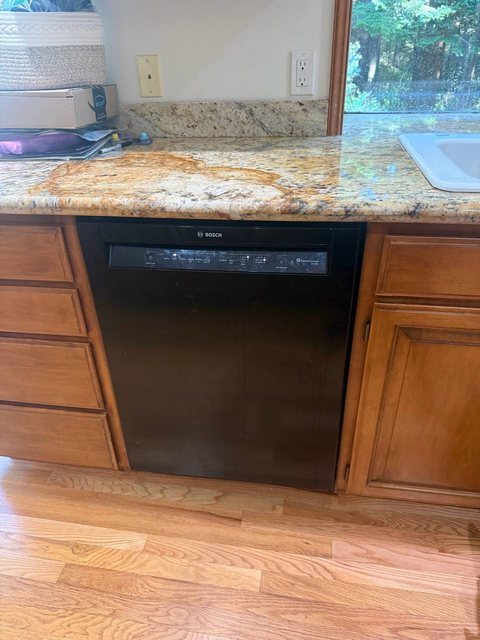
Port Orchard is our one Kitsap County run, a straight shot up Hwy 16 past the county line with an exit at Sedgwick or Tremont depending on which side of town the call is on. The kitchens split by decade. Along Bay Street and up the hill toward Tremont the houses date to the 1920s through the 1960s, with a dishwasher squeezed into a cabinet bay that used to hold drawers. Off Sedgwick, Bethel and Mullenix the subdivisions of the 1990s and 2000s still run their builder-installed machines, or the second one that took over around 2012. McCormick Woods and the waterfront toward Manchester carry Bosch, KitchenAid and the occasional Miele. Same truck, same meter, three very different age groups.
Kitsap PUD water inside the city is treated and moderately mineraled, and a dishwasher on it mostly wears out rather than scales up. Cross past Sedgwick toward Southworth or down Mullenix and the wells take over, carrying iron and hardness that leave glasses filmed and tubs tinted tan within a couple of seasons if the softener runs dry. Nearly all of those houses drain to a septic tank as well, which is why a sump still holding gray water once the cycle finishes, or a filter caked with food, deserves a mention: what does not leave the machine cleanly ends up in the tank. We note it when we see it, then get on with the repair.
Before the dishwasher is blamed the outlet under the sink gets checked, since a tripped GFCI has ended more than one call early. After that the door latch switch is metered for continuity, then the board is tested for output to the pump and valve. A blinking pattern is read as a hint about which circuit to test, never as the verdict; a fuse or latch from the truck is the usual repair.
The lower spray arm is pulled and its ports checked for seeds and scale, the filter is cleaned or replaced, and the wash pump is run against a gauge to see whether it still builds pressure. Water temperature is verified at the tub, since a heater that has opened washes cold and looks like a pump problem. On the older Bay Street machines the pump impeller is often worn round.
A leak is located with the machine running and a flashlight on the floor of the cabinet, not by guessing from the stain. Door gaskets that have flattened, a spray arm flinging water at the seal, a hairline in the pump housing and a tired supply fitting under the sink each show themselves under a live cycle. Only the leaking part is changed, then a second cycle proves it dry.
Something is blocking the way out: glass or a fruit pit in the pump, a check valve that has seized closed, or a sagging drain hose with no high loop that lets sink water run back in. The path is cleared end to end, the loop restored if a remodel lost it, and the pump is tested under power. If the winding reads open, a pump comes off the truck; if it merely swallowed a seed, it goes back to work.
Two causes, two answers. On a well, haze that wipes away with vinegar is mineral from a softener out of salt, and the fix is in the garage rather than the kitchen. Haze that stays put is etching, common on the softer PUD water in town where detergent doses run too high. The technician tests the fill at the sink, holds a glass to the light and tells you which one you have before anything is sold.
Iron and manganese out of a well plate onto stainless and rack tines alike. We confirm the source by checking the fill water and the rack coating, since a rusting rack can mimic it, then clean what will still come clean. It is cosmetic right up until the inlet valve narrows and fill times stretch, so a house outside the PUD lines gets the valve checked on the same visit.
Every Port Orchard dishwasher call begins outside the machine. The technician opens the cabinet under the sink, checks the outlet or GFCI, feels the supply valve and looks at how the drain hose is routed, because a missing high loop or a tripped outlet is not a dishwasher fault and should not be billed as one. Next the toe-kick panel is removed, the lower rack and filter lifted out, and the sump fished for glass. On a well the fill water is tested at the tap first. From there the meter follows the symptom: drain pump for standing water, latch and board for a no-start, wash pump and heater for dirty dishes. Once the reading names the part, that part is explained in plain language and the price is written down.
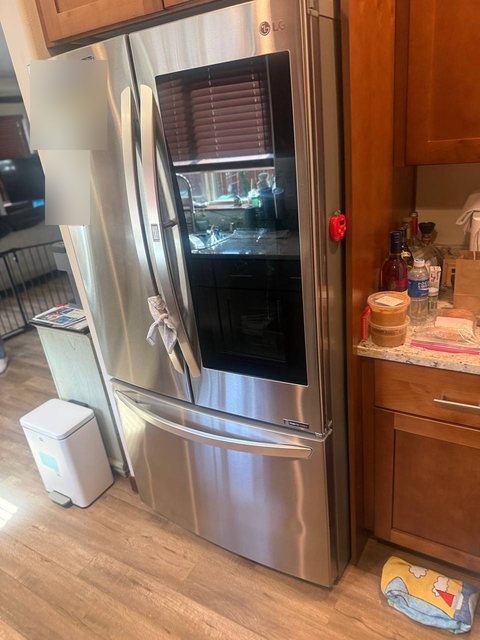
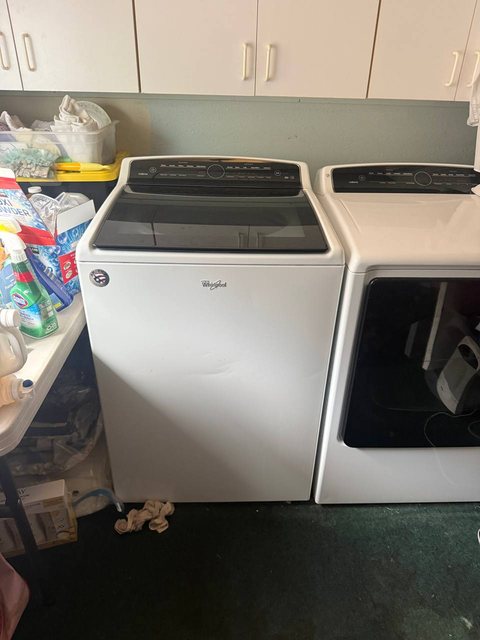
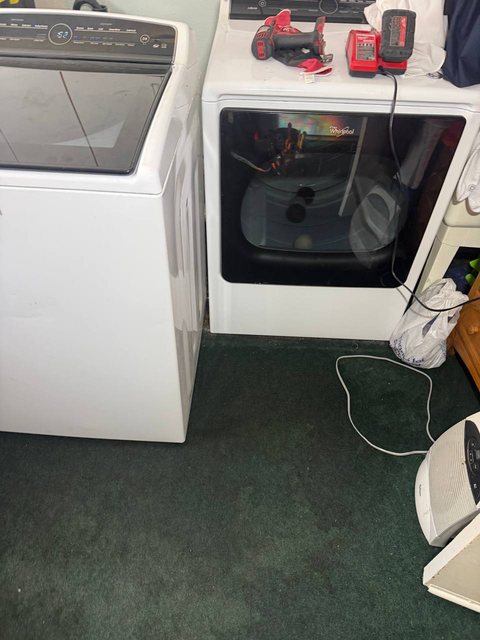
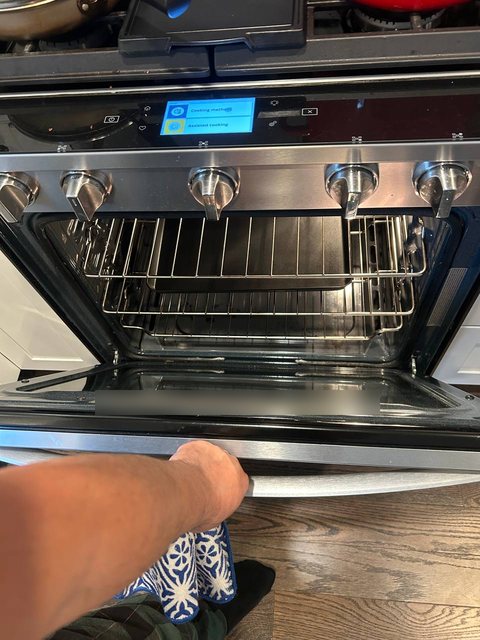
Bosch and KitchenAid make up much of what we see in McCormick Woods, while the Sedgwick and Bethel subdivisions run heavily to Whirlpool, Frigidaire, GE and Maytag, with Samsung and LG appearing in kitchens remodeled after 2015 and Miele in a handful of waterfront houses toward Manchester. Puget Sound Naval Shipyard hours are ordinary to us; the opening and closing slots of the day are kept for commuters. For a rental near the Southworth or Bremerton ferry, the owner gives the go-ahead by text message and the paperwork lands in their inbox. Whatever repair you approve already has the $99 diagnostic built into its price; choose not to go on and $99 is everything you owe. A repair figure exists only after the diagnostic, and only on paper.
It is. The truck runs up Hwy 16 into Kitsap County several times a week, covering Bay Street, Tremont, Sedgwick, Bethel, Mullenix, McCormick Woods and the roads toward Manchester and Southworth. There is no mileage fee and no out-of-area line on the invoice for South Kitsap; the price card is the one Gig Harbor sees.
Usually the well, or the softener that treats it. Film that vinegar dissolves is mineral, and it means the softener needs salt or has slipped into bypass. Film that stays is etched glass from detergent, which is a dosing habit. The technician tests the water at the sink and tells you which, and if no part has failed you hear that before any money changes hands beyond the $99.
Most of the time. Machines of that vintage fail one component at a time, and a drain pump, a latch or a heater is a single-visit repair from the truck. What we will not do is guess. The meter names the failed part, you get one written number, and you decide whether to proceed with the facts rather than an estimate of what might be inside.
It changes what gets a second look. A pump that drains slowly, or a filter that last saw daylight a year ago, sends food solids and grease toward the tank, so we make sure the drain path is clear and the pump moves water at full rate before we leave. Anything past the wall is a septic contractor’s territory, and we say so rather than advise on it.
Yes. The earliest slot of the morning and the last of the afternoon are set aside for shipyard commuters, and Saturday mornings exist for anyone who cannot take a weekday. Mention your shift when booking, and a text arrives as the truck pulls out of Gig Harbor so nobody has to wait at the window.
Phone or form, either way a dispatcher sends a two-hour window and a text the moment the truck rolls — from Harbor Country Drive, or off the bridge deck for Tacoma stops.
Clamp meter, thermometer, manometer where propane is involved. The failed component is identified and explained, and one figure goes on paper with the $99 built into it.
The truck carries what salt air, iron water and outages break: fill valves, defrost heaters, igniters, rollers, relays. Anything ordered comes back on our schedule, not your bill.
A complete run of the machine while you watch, the floor and panels put back as found, and the warranty term printed on the invoice.
$99 gets the meter on it, the figure goes on the ticket, the part is usually already on board, and the coverage term is printed on the invoice. Same card on both shores of the Narrows.