Also on the truck · Port Orchard
The rest of the lineup
$99 to meter it, one figure on the ticket, coverage printed on the invoice — identical for every machine in Port Orchard.
A refrigerator that reads fifty degrees at breakfast in Port Orchard cannot wait until someone is home from the shipyard at four.
Weekdays 8–6 · Saturday 9–3 · closed Sunday · truck based on 4425 Harbor Country Dr NW
$99 to meter it, one figure on the ticket, coverage printed on the invoice — identical for every machine in Port Orchard.
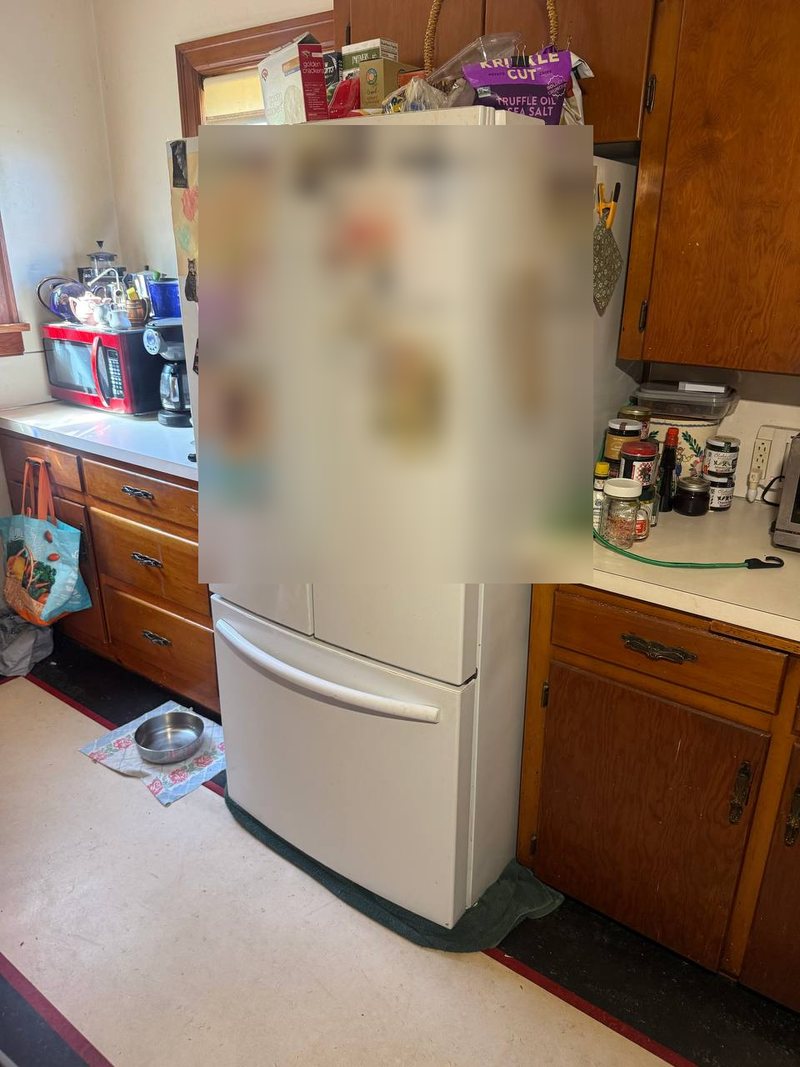
The second freezer in a Port Orchard garage is where the salmon and the bulk groceries live, and it is also the first appliance to go quiet when a November storm drops PSE across South Kitsap for a day or two. When the power returns, the compressor tries to restart against pressure, the relay cracks, and the box stays warm while the kitchen refrigerator hums along. Those calls come from the newer streets off Sedgwick, Bethel and Mullenix, from McCormick Woods, and from the older blocks climbing from Bay Street toward Tremont. The truck comes up Hwy 16 out of Gig Harbor into Kitsap County to reach them all.
Water matters less to a refrigerator than to the other machines we service; whether a house is on Kitsap PUD or a well toward Manchester and Southworth affects the ice maker, not the cooling. What the refrigerator faces here is time and dust. Defrost heaters open and the evaporator freezes into a block, so the fresh-food shelves warm up while the freezer holds. Start relays fail and click. Condenser coils in garages pack with pet hair and sawdust until the compressor runs hot all day. A French-door off Sedgwick with a warm upper cabinet and a cold freezer is nearly always a defrost part, and that part rides on the truck.
Voltage at the receptacle is checked first, since a tripped GFCI in a garage has ended a few visits early. Then the board and the compressor windings are metered. A relay that cracked during the restart is a small same-visit part; a board that took the surge is usually carried too. Only an open winding means the freezer is finished, and you hear that plainly before anything is written.
The condenser is not shedding heat. In a Port Orchard garage the coil is usually matted with dust and hair; sometimes the condenser fan has seized or a door gasket has gone hard and lets warm air in all night. The coil gets pulled and cleaned, the fan gets the meter, and with the box leveled the gasket is checked before anything is condemned.
A frozen or plugged defrost drain is sending meltwater back into the compartment rather than down to the pan. Thawing and clearing it comes first, confirm the heater is cycling so it stays open, and check the pan and its hose. If the puddle turns out to be tracking from the ice maker supply, we follow that instead of the obvious answer.
On the Sub-Zero and KitchenAid built-ins in McCormick Woods and the waterfront kitchens toward Manchester, the condenser fan is tested, the coil is cleaned and the sealed system is metered before any figure is written. Neither maker counts us as a dealer; should their coverage still be in force on your unit, that is the first thing you hear.
Relay and overload keep attempting to launch a compressor that will not go. Winding resistance is measured before anything else. Sound windings with a cracked relay is a repair from the truck in the same visit. An open winding is a different conversation, and we have it with you before a number is written rather than after.
Ice has swallowed the evaporator, and the upper shelves get no cold air. Heater, defrost thermostat and sensor are metered, the failed one is replaced, and the coil is thawed all the way through, because a coil cleared halfway ices up again within the week. The drain gets cleared while the panel is off.
Meter before model number. The compressor windings are read for resistance and the start current is clamped; that tells us within minutes whether the sealed system is alive. Board output to the compressor and fans is checked next. An iced evaporator sends the technician to the defrost circuit: heater, thermostat, sensor. A dirty condenser gets pulled and cleaned, which on a garage unit in Port Orchard is nearly a given. Gaskets and hinges are looked over and the box is leveled if it is not. Once the failed part is identified you hear its plain name and see a single figure written down, $99 included. Relays, heaters, fans and gaskets travel on the truck, and most repairs wrap up before it leaves.
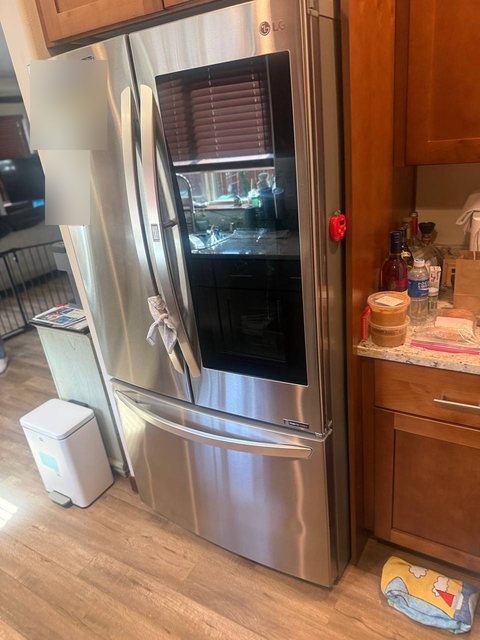
Samsung and LG French-doors dominate the newer kitchens off Sedgwick and Bethel; Whirlpool, GE, Frigidaire, Kenmore and Amana fill the older houses and the garages; Sub-Zero and Thermador turn up in McCormick Woods and on the water. A house whose owner is deployed or a rental near the Bremerton foot ferry is handled by text approval, with the photo, invoice and warranty going to the owner by email. Kitsap County carries no mileage or trip line on our invoices. The $99 diagnostic is included in whatever refrigerator repair you approve; decide against it and the charge stops at $99. Every other figure waits for the diagnosis to finish, then goes on paper.
The first window opens when the shop does at eight, the last closes at six, and Saturday mornings exist too. Tell us your shift when you call and we book around it rather than through it. A refrigerator that is already warm moves to the front of the day regardless.
No. Port Orchard is a normal run for the truck up Hwy 16 and there is no mileage, trip or out-of-area line for South Kitsap. If you turn the repair down after the diagnosis, the invoice shows $99 and nothing else, whether the kitchen is on Bay Street or out past Mullenix.
Meter it first. Restarts after an outage take out relays far more often than compressors, and a relay is a quick fix done in the same visit. The windings are read within minutes of arrival; if they are open we say so and the visit ends at $99, and if they are sound the freezer is pulling down by dinner.
Ice. The evaporator has frozen into a block because a defrost heater, thermostat or sensor has failed, and the fan cannot move cold air to the upper cabinet. All three parts ride on the truck. A hair dryer buys you a week; the repair fixes it, and the drain gets cleared at the same time.
Yes. We are not the maker’s dealer, and if the maker’s coverage could still be in force you hear that before we begin. A column drifting warm most often has a matted condenser or a failed fan, and both get fixed during the initial visit from truck stock.
The mechanism, the checks you can do without tools, the point to stop
Open the guide →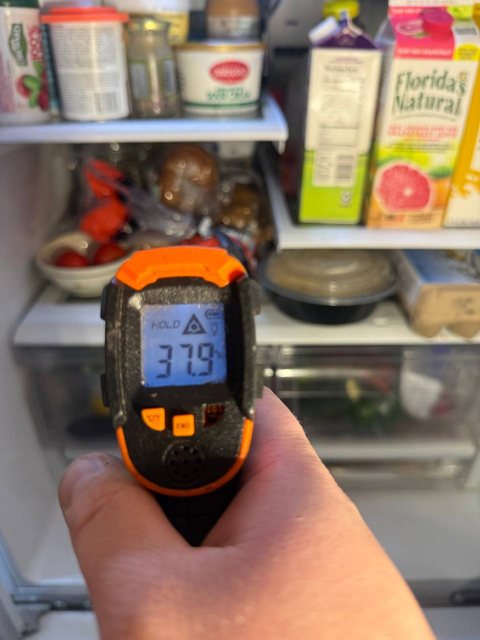
The mechanism, the checks you can do without tools, the point to stop
Open the guide →Phone or form, either way a dispatcher sends a two-hour window and a text the moment the truck rolls — from Harbor Country Drive, or off the bridge deck for Tacoma stops.
Clamp meter, thermometer, manometer where propane is involved. The failed component is identified and explained, and one figure goes on paper with the $99 built into it.
The truck carries what salt air, iron water and outages break: fill valves, defrost heaters, igniters, rollers, relays. Anything ordered comes back on our schedule, not your bill.
A complete run of the machine while you watch, the floor and panels put back as found, and the warranty term printed on the invoice.
$99 gets the meter on it, the figure goes on the ticket, the part is usually already on board, and the coverage term is printed on the invoice. Same card on both shores of the Narrows.