Also on the truck · West End Tacoma
The rest of the lineup
$99 to meter it, one figure on the ticket, coverage printed on the invoice — identical for every machine in West End Tacoma.
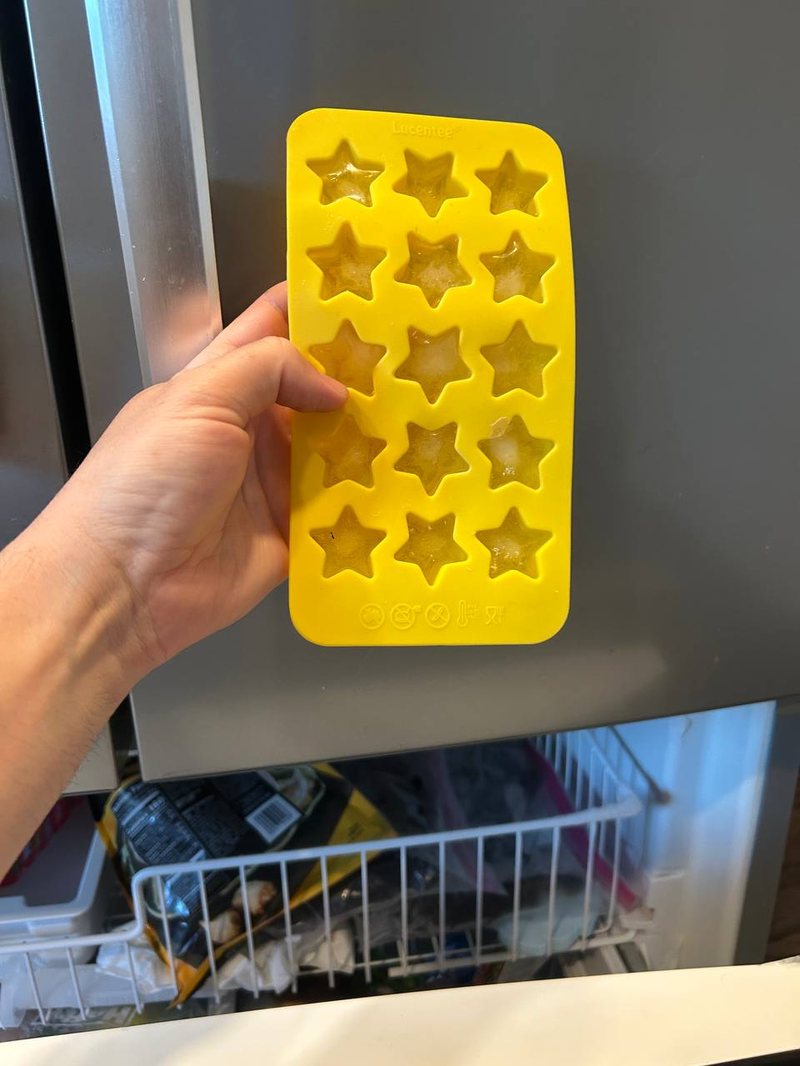
Empty bin in a West End Tacoma kitchen, or cubes that crack open hollow. Off the Narrows bluff the culprit is nearly always a fill valve or its corroded plug, not the water.
Weekdays 8–6 · Saturday 9–3 · closed Sunday · truck based on 4425 Harbor Country Dr NW
$99 to meter it, one figure on the ticket, coverage printed on the invoice — identical for every machine in West End Tacoma.
Just off the bridge deck, the split-levels of Skyline and the ramblers around Westgate sit on Tacoma Water, which is soft enough that scale never gets a foothold in an ice maker here. What does get in is the air. Wind off the Narrows carries salt up the bluff and along 6th Ave, and the ice maker is the one water part in the refrigerator with exposed terminals: a valve coil plug, a module connector, a fill tube heater lead. Those turn green long before the compressor tires. Our route is short: over the bridge, off at Jackson Ave, then Pearl St or 6th Ave to wherever the bin is empty, from the Highlands down to Titlow Beach.
The West End job that repeats: a GE side-by-side in a 1968 rambler near Skyline has been quiet for a week. The reset button was pressed twice. Freezer is at zero, so the refrigerator itself is fine. Behind the machine the supply line is open and the pressure reads normal, but the valve harness plug has a furry green edge, and when we back-probe it under a fill command the coil gets a fraction of the voltage it needs. New valve, harness pins cleaned or replaced, a manual harvest to watch the mold fill, and the bin catches up overnight. Refrigerators in garages that open toward the Narrows Marina go through the same sequence sooner.
Start with the easy causes: the feeler arm parked in the off position, a filter past its date, a supply valve someone closed under the sink. Then the coil gets metered and its plug inspected under a light, and the module is commanded through a harvest. Along the Narrows a healthy coil behind a corroded plug turns up more than a dead module does.
Hollow means the shot of water was short and the shell froze before the center could fill. Either the filter is choked, house pressure is low, or the coil is weakening and the valve only half opens. We trigger a harvest, catch the fill in a measuring cup, compare it to the spec, and change the valve or filter that comes up short.
The mold heater warms the ice loose and the ejector sweeps it out; when either quits, the fingers stall against frozen cubes. We meter the heater, run the ejector motor by hand and by command, dig out any stray cube that jammed it, and swap the module only when the readings say so. On the older side-by-sides that module is usually the sole tired part.
Each time the valve weeps a few drops after closing, they freeze at the tube mouth, and a month later the tube is solid. A dead tube heater does the same. We melt the plug, run a fill and stand there for the half minute afterward with a light on the tube end; a valve that keeps dripping is replaced so the plug does not come back in February.
Water getting past the mold: a valve that will not fully seat, a split fill cup, or a tube nudged out of line when the bin was jammed back in. We watch a full fill from the freezer side, meter the coil for a seat that holds, correct the tube or replace the cup, then look at the freezer floor again after an hour to confirm it stayed dry.
The bluff houses with Sub-Zero or Thermador columns keep the ice maker as a separate system with its own pump, valve and level sensor, and the condenser breathes the same salt air. We meter that set in order, brush the condenser, and quote in writing. Neither maker counts us as a dealer, and where their own coverage may still be running we tell you before any work starts.
Freezer temperature comes first, since a freezer sitting at fifteen degrees makes a slow ice maker look like a broken one, and that is a refrigerator fault, not an ice maker fault. Then the supply: the quarter-turn valve under the sink, house pressure at the inlet, and the filter, whose date is usually a surprise. A light goes down the fill tube for the plug. The valve coil is metered with the harness plugged in, because the reading at the pins is what matters in salt air. A harvest is commanded and the fill measured. Heater, ejector and thermostat inside the module get tested in turn. Then the part gets an ordinary-language name and a figure on paper that has the $99 diagnostic already absorbed. Fill tubes, modules and valves for the usual brands ride along on the truck.
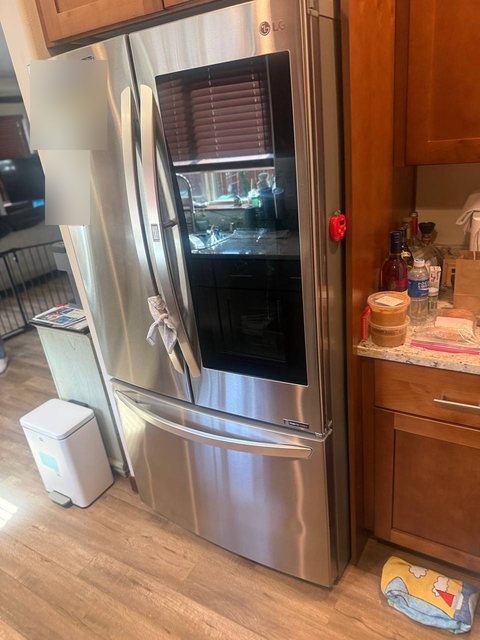
Most West End ice maker work is in GE, Whirlpool, LG and Samsung refrigerators, with Frigidaire, KitchenAid, Kenmore and Bosch behind them and the Thermador and Sub-Zero columns of the bluff remodels rounding it out; commercial ice machines and undercounter nugget makers do not appear on our list. Landlords with rentals off Pearl St near Tacoma Community College sign off by text and receive the photo, invoice and warranty in their inbox. Crossing the Narrows eastbound costs us a toll and costs you nothing on the invoice. Your approval means the $99 diagnostic vanishes into the figure you approved; a refusal means the visit totals $99. Every West End Tacoma ice maker repair gets its price after the diagnostic, on paper.
Salt. The wind that crosses the bridge carries it up the bluff and into kitchens with the windows open and garages left up, and the ice maker’s harness plugs and coil terminals are the first metal to corrode. On every West End ice maker call we pull the plug and look, and a green pin gets cleaned or repinned so the new valve is not fed through a bad joint.
It does not. Eastbound tolling is a cost of running the truck to Tacoma and it never becomes a line on your invoice. A valve in Skyline is priced off the same card as a valve on the Point Fosdick side of the bridge, and the written warranty reads the same on both sides.
Not enough water reached the mold. The ice maker opens the valve for a fixed few seconds, and if the filter is choked, the pressure is low or the coil is weakening, that window delivers a partial shot and the shell freezes around an empty middle. We catch a fill and measure it, then fix whichever of the three is short, which on the West End is usually the valve.
Yes, as an independent shop. If the maker’s own coverage looks like it still applies to the unit we point that out before starting. Column ice makers carry a pump, valve and level sensor of their own, and the common ones ride with us over the bridge, so most of these calls close the same visit rather than waiting on a part order.
Possibly, which is why the freezer thermometer goes in before anything else. A freezer drifting up toward twenty degrees starves the ice maker of cold first, long before the food shows it. When the freezer holds zero the trouble is inside the ice maker and the repair is modest; when it does not, we say so and the diagnosis turns to the sealed system and defrost circuit instead.
Phone or form, either way a dispatcher sends a two-hour window and a text the moment the truck rolls — from Harbor Country Drive, or off the bridge deck for Tacoma stops.
Clamp meter, thermometer, manometer where propane is involved. The failed component is identified and explained, and one figure goes on paper with the $99 built into it.
The truck carries what salt air, iron water and outages break: fill valves, defrost heaters, igniters, rollers, relays. Anything ordered comes back on our schedule, not your bill.
A complete run of the machine while you watch, the floor and panels put back as found, and the warranty term printed on the invoice.
$99 gets the meter on it, the figure goes on the ticket, the part is usually already on board, and the coverage term is printed on the invoice. Same card on both shores of the Narrows.