Also on the truck · West End Tacoma
The rest of the lineup
$99 to meter it, one figure on the ticket, coverage printed on the invoice — identical for every machine in West End Tacoma.
The truck clears the bridge deck, takes Jackson Ave, and the West End is right there.
Weekdays 8–6 · Saturday 9–3 · closed Sunday · truck based on 4425 Harbor Country Dr NW
$99 to meter it, one figure on the ticket, coverage printed on the invoice — identical for every machine in West End Tacoma.
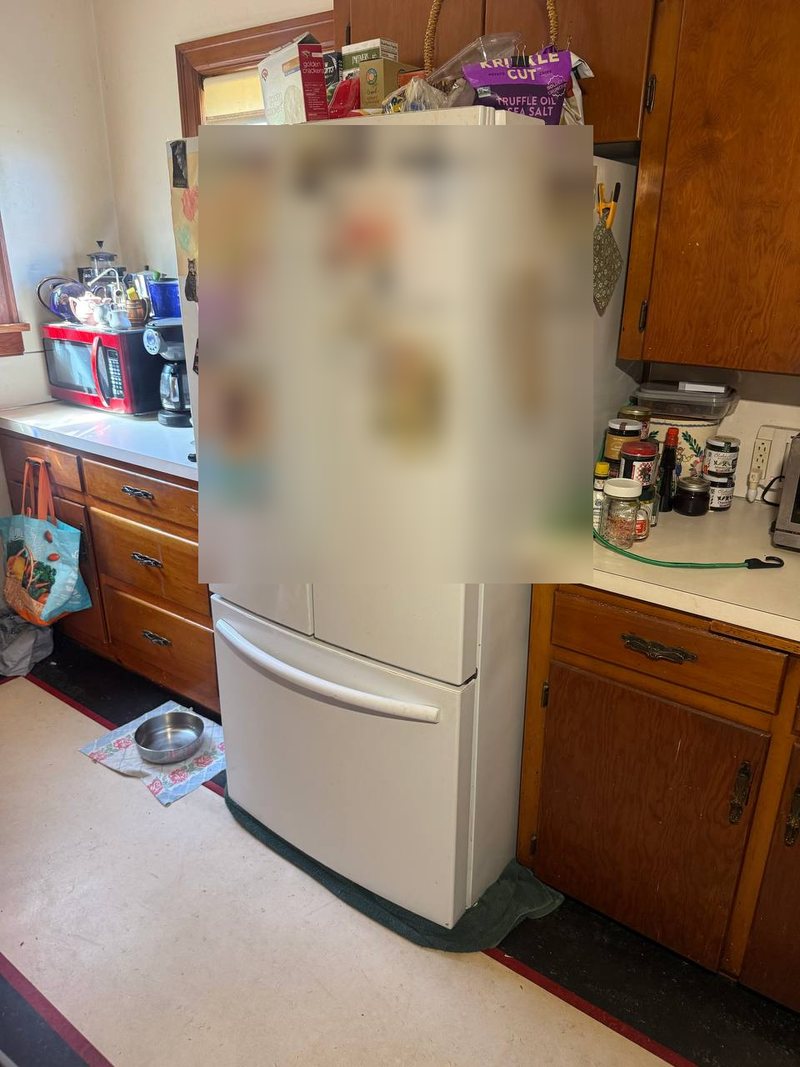
Westbound the bridge costs nothing and eastbound it does, which is why so few Tacoma shops bother with Gig Harbor and why we treat the West End as home ground. Off the bridge deck at Jackson Ave the truck is already among the 1960s and 70s ramblers and split-levels of the Narrows neighborhood, with Skyline and the Highlands up the hill behind Tacoma Community College, Westgate along Pearl St and the older streets sloping down 6th Ave toward the Narrows Marina and Titlow Beach. City water and gas mains serve every one of them. Whatever the toll reader charges the truck on the way over is the company’s cost; a West End invoice reads exactly like one from Point Fosdick.
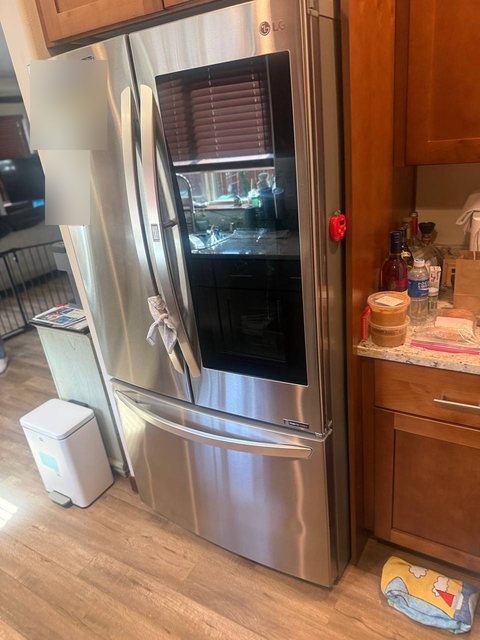
Soft Green River water means scale seldom troubles a West End refrigerator; wear does. The scene we meet most often: a Skyline split-level has its spare refrigerator out in the garage, the garage door faces the water, and one November morning after the windstorm knocked the power out overnight the box is silent. To the owner that sounds like a dead compressor. Far more often the start relay shattered on the restart and the compressor reads perfectly on the meter. Kitchens up here hold the usual mix, a Whirlpool side-by-side from the last remodel, an LG French-door bought at Westgate, a Frigidaire top-freezer that outlived two owners, and along the bluff the breeze off the Narrows furs condenser coils faster than a vacuum can keep up.
Start with the outlet, then the relay, then the windings. A compressor forced to restart against head pressure usually takes the start relay with it and survives itself, and a relay rides on every truck. If a winding reads open or shorted we stop, tell you, and let you choose before a price is written.
Dust and salt fur on the condenser, a condenser fan turning slow on worn bearings, or a door gasket that has gone stiff. The coil is cleaned first, then the fan is metered and the seal checked with a dollar bill along the whole perimeter. In a Narrows split-level the coil is the usual answer.
An evaporator fan blade scraping frost, a condenser fan with a dry bushing, or sagging mounts letting the compressor touch the frame. We find the noise with the covers off rather than guessing from the kitchen, defrost the coil if frost is the cause, and replace only the motor that actually complains under load.
The defrost cycle has quit and the evaporator is packed in ice, so cold air cannot reach the upper compartment. Heater, bi-metal thermostat and sensor are metered; the failed one is swapped and the coil is thawed all the way through, because ice left behind seeds the next blockage within the week.
A defrost drain iced shut or plugged with crumbs, so meltwater has nowhere to go but the crisper floor. We open the drain with warm water, check the small heater that is supposed to keep it clear, and trace any puddle on the kitchen floor back to its source, which is sometimes the ice maker supply instead.
The Sub-Zero, KitchenAid and Thermador columns in the remodeled ramblers above the marina get the same sequence: condenser fan, coil, then sealed-system pressures, before a number is written. We hold no dealership with any of these makers and tell you first if their own coverage may still apply.
Nothing is condemned from the doorway. The technician listens to the box under power, then puts the meter on the compressor: winding resistance, start amperage, overload temperature. The control board is checked for its outputs to compressor and fans. If the back wall is frosted the defrost circuit is read. The condenser gets pulled and brushed clean, which on the bluff above the Narrows and down near Titlow tends to be overdue. Door seals and hinges are inspected, and on a garage unit the drain pan as well. When the failed component is identified it is described in plain words, and a single repair figure is written with the $99 inside it. Relays, defrost heaters, fan motors and gaskets for the common models are on the truck, so most West End refrigerators are cold again before we head back over the bridge.
Kenmore, Amana, Frigidaire, GE, Whirlpool, LG, Samsung, Bosch and KitchenAid refrigerators make up the ordinary week in the West End, and the Thermador and Sub-Zero columns in the remodeled kitchens on the Narrows bluff and up in the Highlands round it out. Rental houses near TCC and along 6th Ave are frequent: the landlord approves by text after seeing a photo of the part, the tenant opens the door, and the invoice with its written warranty goes out by email that afternoon. Nothing for the bridge crossing appears anywhere on the paperwork. Say yes and that single number has already accounted for the $99 diagnostic; say no and your charge is $99, full stop. No refrigerator repair price in West End Tacoma is quoted before the diagnostic, and every one of them is put in writing.
It is the closest piece of Tacoma to the shop. The truck crosses the bridge, takes the Jackson Ave exit and is in the Narrows neighborhood, Westgate or Skyline right away. There is no mileage line, no toll line and no out-of-area surcharge; the price card you see is the same one a house on Harborview Dr sees.
Call, then leave it alone. Doors stay shut, meat and dairy go into an iced cooler, and the plug stays in the wall: the technician wants to hear what the compressor does when it tries to start. A warm refrigerator takes the earliest slot the day has open, and the West End is the first stop across the bridge.
Probably not. The restart after an outage is hard on the start relay and usually spares the compressor itself. We meter the windings before saying anything about replacement; if they read fine, a relay from the truck has it running again in the same visit, and if they do not, you pay $99 and get a plain answer.
Air off the Narrows carries salt, salt holds moisture, and moisture glues dust and lint to the condenser. The compressor then runs longer and hotter to do the same job. A garage box with the door left open toward the water furs fastest. Every visit includes a coil cleaning and a look at where the coil lives so you can keep after it.
Regularly. From wherever the owner happens to be, a text approves the figure on paper; the tenant or a lockbox lets us in, and photo, invoice and warranty land in the owner’s email before the day is out. The tenant gets cold milk back and the owner never has to cross the bridge for it.
The mechanism, the checks you can do without tools, the point to stop
Open the guide →
The mechanism, the checks you can do without tools, the point to stop
Open the guide →Phone or form, either way a dispatcher sends a two-hour window and a text the moment the truck rolls — from Harbor Country Drive, or off the bridge deck for Tacoma stops.
Clamp meter, thermometer, manometer where propane is involved. The failed component is identified and explained, and one figure goes on paper with the $99 built into it.
The truck carries what salt air, iron water and outages break: fill valves, defrost heaters, igniters, rollers, relays. Anything ordered comes back on our schedule, not your bill.
A complete run of the machine while you watch, the floor and panels put back as found, and the warranty term printed on the invoice.
$99 gets the meter on it, the figure goes on the ticket, the part is usually already on board, and the coverage term is printed on the invoice. Same card on both shores of the Narrows.