Also on the truck · West End Tacoma
The rest of the lineup
$99 to meter it, one figure on the ticket, coverage printed on the invoice — identical for every machine in West End Tacoma.
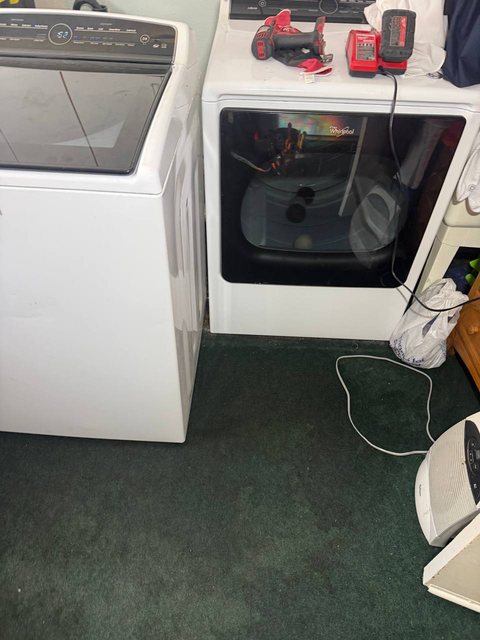
The utility room off the garage in a West End Tacoma rambler was plumbed for a 1965 washer, and the front-loader in it now drains faster than the pipe accepts.
Weekdays 8–6 · Saturday 9–3 · closed Sunday · truck based on 4425 Harbor Country Dr NW
$99 to meter it, one figure on the ticket, coverage printed on the invoice — identical for every machine in West End Tacoma.
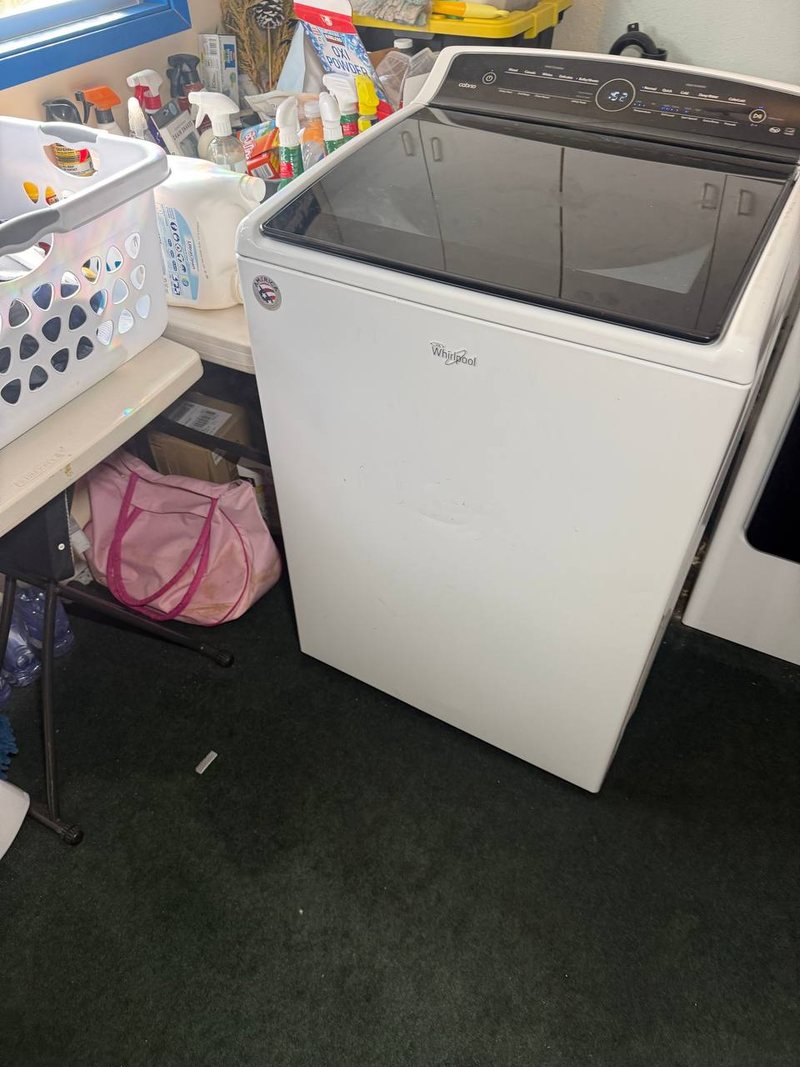
Our truck is on the bridge deck almost as soon as it leaves Hwy 16, and the West End begins the moment it comes down the other side: Jackson Ave, then Skyline and the Narrows bluff to the north, Westgate and Pearl St straight ahead, the Highlands and TCC beyond 6th Ave. The ramblers and split-levels here went up between the late 1950s and the mid 1970s, and their laundry sits in a utility room beside the garage, on a slab that has shifted a little, fed by a standpipe and a floor drain that predate high-efficiency anything. That plumbing is a suspect on every drain call, and we check it before the washer is accused.
West End houses sit on Tacoma city water and gas mains, so the washers do not scale and there is no softener to run out of salt. What goes wrong is wear and weather. A front-loader on a garage-side slab that stays damp from October to May grows bearing noise. A lid lock on a top-loader that has run every day since 2012 quits and traps a wet load. Lint and a hair tie stall the drain pump. A control board in a room that swings from forty degrees to seventy loses its motor output. Down by Titlow Beach and the Narrows Marina the salt air adds corroded connectors to that list. Every one of them has a meter reading, and none should be replaced before it is tested.
Suspension rods or shocks have given out, or the slab has settled since the house was framed. We replace the failed suspension, level the machine to the slab it actually stands on, lock the feet and run a spin with a genuine load so it stays where it was put rather than reaching the water heater again next week.
A fill hose that has aged out, a weeping pump seal, a torn front-loader boot, or a tub-to-pump hose that has split. The machine runs while a flashlight sits on the concrete, and the drip is located as it happens, not deduced from the puddle. Only that part is changed, and a second cycle confirms the room is dry, not just drier.
On a direct-drive top-loader of some age the coupler or clutch has sheared; on a belt-drive the belt has stretched; on a newer machine the motor control board may have lost an output. Each is a separate meter test and none is assumed. The coupler is among the fastest repairs we make, and the board comes under suspicion only after everything mechanical has been ruled out.
Drum bearings worn from years beside a damp slab, or a coin or bra wire riding between the tubs. Turning the drum by hand, the technician feels for shaft play and listens, then says plainly whether a bearing job is sensible on this particular washer or whether the written figure would be better kept. The decision is yours either way.
Either the lock itself has failed or the board is convinced the tub never emptied. The door comes open without harm to the striker, put the meter on the lock and fit a new one so the same load is not stranded again next month. A lock on a machine run daily simply wears; it is stocked on the truck.
Lint or a sock jammed in the pump, a hose pinched against the wall, a 1960s standpipe backing up under a modern pump’s flow, or a pump winding that has opened. We clear the trap, pull the hose and watch the pipe, then meter the pump under power. If the pipe is the trouble rather than the washer, you hear that instead of being sold a pump.
A manual cycle is started and the meter goes on the components in the sequence experience suggests: pump first, then lock, drive motor, inlet valve and finally the board. Because the utility rooms here were plumbed for a different era of washer, a drain complaint is tested at the pump housing and at the standpipe both, with the hose pulled so the pipe can be watched under flow. A spin complaint sends the meter to the lock, then to the drive, and only afterward to the board. Leaks are traced under a live cycle. The slab is checked with a level. When the reading names the part, that part is explained plainly and one repair figure is written down, the $99 folded into it. Truck stock covers most washer parts, so one visit usually does it.
Whirlpool and Maytag top-loaders are the backbone of West End laundry rooms, with front-loaders from LG and from Samsung in houses remodeled since 2010, GE, Kenmore and Electrolux scattered through Westgate and the Highlands, Speed Queen where a household bought for the long haul, and compact pairs by Miele or by Bosch in the closets of remodeled Skyline homes. Rentals near TCC and along 6th Ave are routine: a text from the owner approves the work, and the paperwork, invoice with warranty printed on it, goes to their inbox. The toll for the crossing is ours and never a line on the bill. Whatever washer repair you approve has the $99 diagnostic absorbed into it; decline it and your bill stops at $99. In West End Tacoma no repair carries a price until the diagnosis is complete and that figure is on paper.
No. Eastbound is the direction that gets tolled, and crossing it is simply a cost of keeping the truck moving. The invoice carries two lines, diagnosis and repair, neither of them about the bridge, and the written price in Westgate or Skyline is identical to the one a Gig Harbor household gets for the same part.
Often the pipe’s. A current pump pushes water faster than a 1960s standpipe was sized to take, and any partial blockage sends it over the top. We test the pump and watch the pipe under flow, then tell you which it is. If the plumbing is at fault we say so and you decide who to call for it; no washer part gets sold to fix a pipe.
Sometimes. It depends on the model, the seal and what else is worn. The technician turns the drum, listens, inspects the seal and tells you straight whether the bearing job is reasonable or the money is better kept back. The $99 buys that answer either way, and the written figure lets you decide on facts.
Yes. Stacked units have to be unstacked or pulled to reach the pump and drive, so tell us about the closet and its doors when you book. The technician plans for it and puts the pair back level and secured when the work is done.
Usually within a day or two, and always within the week. Coming down off the bridge deck, the West End is the first Tacoma neighborhood the truck reaches, so the trip is short. Saturday morning slots exist but fill first, so ask for one early if weekdays are hard.
Phone or form, either way a dispatcher sends a two-hour window and a text the moment the truck rolls — from Harbor Country Drive, or off the bridge deck for Tacoma stops.
Clamp meter, thermometer, manometer where propane is involved. The failed component is identified and explained, and one figure goes on paper with the $99 built into it.
The truck carries what salt air, iron water and outages break: fill valves, defrost heaters, igniters, rollers, relays. Anything ordered comes back on our schedule, not your bill.
A complete run of the machine while you watch, the floor and panels put back as found, and the warranty term printed on the invoice.
$99 gets the meter on it, the figure goes on the ticket, the part is usually already on board, and the coverage term is printed on the invoice. Same card on both shores of the Narrows.