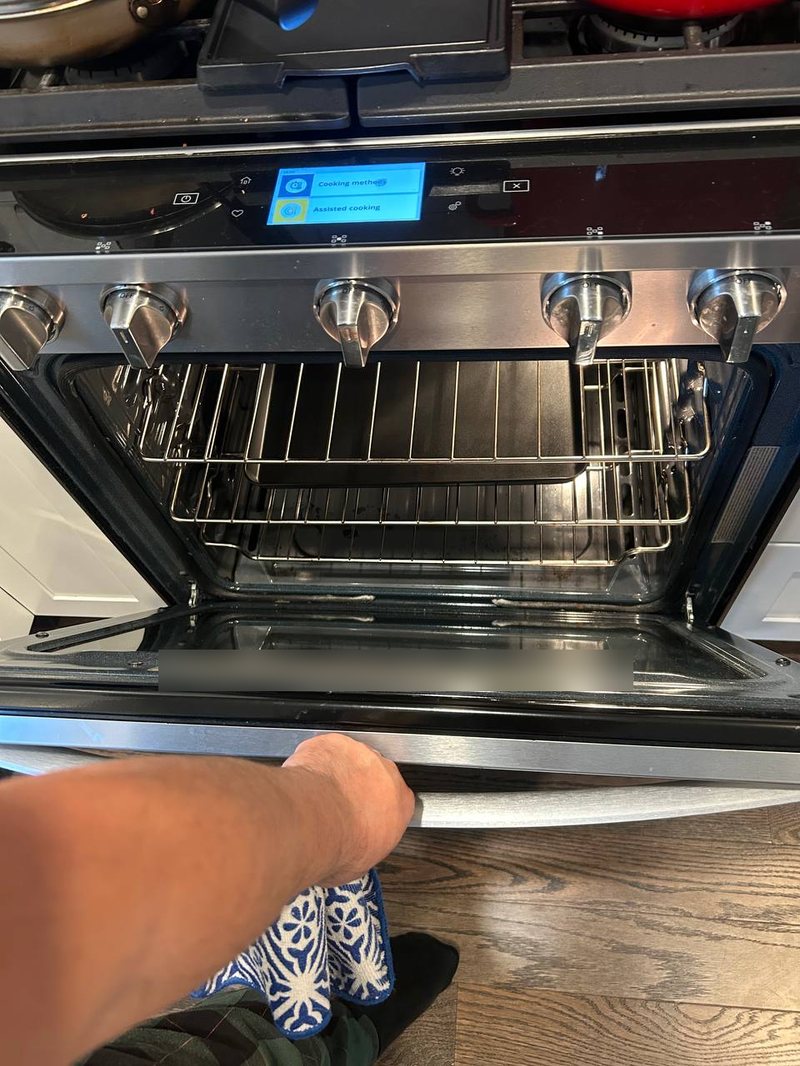
There is no natural gas line to Fox Island, so every Wolf range on the island burns propane from a tank behind the house. The big view homes along Hale Passage and Carr Inlet were built around 48 inch gas ranges and rangetops, the newer houses off Island Blvd carry dual-fuel DF models, and a few kitchens have a Wolf wall oven pair instead. Many arrived as natural gas units and were converted at installation, so how well that conversion was done is where our inspection begins. A range with the wrong orifices or the regulator never switched has cooked badly since the tank was hooked up, and the owner often thinks that is how a Wolf behaves.
The island adds weather and power to the propane question. Salt air off Hale Passage, worse in the houses with the kitchen open to a deck over the water, pits spark electrodes and greens the terminals on the igniter harness until burners click without lighting. PSE loses Fox Island for days some winters, and the dual-fuel Wolf comes back either on a whole-house generator, which is fine, or on a portable one whose rough power confuses the oven control and can leave an F1 on the display. The wells that supply the island only touch a Wolf steam oven, but they scale it fast, so descaling is a regular job on the island.
Wolf faults we see on Fox Island
Wolf model
Sign
Probable cause
Our approach
Gas ranges on propane
Tall yellow flame, soot on pans, oven over-fires
Natural gas orifices still fitted, regulator not converted, air shutters unadjusted
Read manifold pressure on propane, fit the correct orifices, convert the regulator, set the shutters, confirm a blue flame
Rangetops in view homes
Simmer setting boils, cannot hold low
Simmer screws never set for propane, valve worn
Set each valve’s low flame with the gauge on, replace a worn valve, verify a simmer that holds
Dual-fuel ranges after an outage
Display dead or F1, burners still light
Control board hit by surge or confused by portable generator power
Restore clean power, retest the control, and swap the board only once the meter has condemned it
Burners by the water
Clicking without ignition on one or two burners
Electrode pitted by salt air, spark lead terminal corroded
Test spark at each electrode, clean or replace the corroded terminal and electrode, prove first-click lighting
Wall ovens in newer builds
Oven slow to heat, fan runs after shutoff
Temperature sensor drifting, cooling fan thermostat failing
Compare sensor to a probe, meter the fan circuit, replace the drifting sensor, bake-test to setpoint
Steam ovens on well water
Descale warning constant, steam thin
Boiler and reservoir scaled by hard island water
Descale fully, check the pump and level sensor, set a descale interval that fits the well water
Wolf codes to send us from Fox Island
Indicator
Meaning
Action
F1
Control board or keypad reported an internal fault
Check for generator or surge damage first, restore clean power, retest before ordering a board
F3
Temperature sensor circuit open, control cannot read the oven
Meter the sensor and the connector behind the oven, replace the open sensor, verify the reading
F4
Temperature sensor circuit shorted, so the control halts all heating
Test the sensor resistance and inspect the harness for chafing, replace the shorted sensor
F5
Door lock failed to reach locked or unlocked
Work the latch by hand, meter its switches, replace the stalled motor, run the lock sequence
F9
Lock circuit faulted during self-clean or after an outage
Confirm the door is shut, cycle the latch, test the lock switch and the control’s output
How a Wolf visit on Fox Island runs
Every Wolf visit on Fox Island begins with the manometer on the manifold, because propane pressure and the conversion decide whether anything else can be judged. We read the pressure, check the regulator was switched, pull a burner to look at the orifice stamping, and watch each flame for shape and color. Then spark at every electrode, the oven igniter on a clamp meter, the sensor against its chart, and on a dual-fuel model the stored code. The truck crosses the Fox Island Bridge with propane orifice kits, regulators, spark modules, electrodes, igniters and sensors. A relay board or a hinge set gets ordered, and the visit to fit it carries no charge for the second crossing.
Narrows Appliance Pro is an independent shop on the Gig Harbor side and not a Wolf dealer; we carry no title from the maker. A range in a recent Fox Island build may still be inside the maker’s own coverage, and if it is we tell you before starting so you can weigh it. Because many island houses are second homes, we work from a gate code or lockbox, text the owner a photo alongside one written number, and once the range is cooking right the invoice, warranty on it, goes out by email. The written figure you approve already carries the $99 diagnosis; decline it and $99 is what the visit costs. Prices come after the diagnostic, on paper, with nothing added for the bridge.
Every Wolf job on Fox Island comes as one written figure that already counts the $99 diagnosis, with text approval when you are off-island and the warranty spelled out on your invoice. Request Wolf service →
Wolf questions
My Wolf on Fox Island has always burned yellow and sooted pans. Is that normal for propane?
No. A properly converted Wolf burns blue on propane with a sharp inner cone. Yellow flames and soot mean natural gas orifices are still in place, the regulator was never switched, or the air shutters were never set. We read the manifold pressure, fit the right orifices and set the shutters, then show you the flame.
Can you fix a Wolf range on Fox Island if I am in Seattle all week?
Yes. Leave us the gate code or a lockbox and we handle the rest. After the diagnostic you get a photo and one written price by text, and nothing happens until you reply yes. Invoice and warranty reach your inbox, and the kitchen is left tidy for your next drive across the Fox Island Bridge.
The dual-fuel Wolf oven died after the Fox Island outage but the burners work. Why?
The burners are mechanical and light with spark or a match. The oven control is electronic, and the surge when PSE returned, or rough power from a portable generator during the outage, can knock it out. We power it down, bring it back on clean power and test the board before deciding anything, then put the number in writing.
Why do the burners on my Fox Island Wolf click without lighting after a wet winter?
Salt air off Hale Passage pits the spark electrodes and corrodes the lead terminals, and a damp kitchen finishes the job. Moisture under the burner caps does the same for a day after cleaning. We test spark at each burner, replace the pitted electrode and clean the terminals, and the first-click light comes back.
Does Fox Island well water affect a Wolf range?
Only the steam oven, if you have one. The boiler and reservoir scale quickly on hard island water and the descale prompt becomes constant. We descale fully, check the pump and level sensor and set a realistic interval. The gas range itself does not care what comes out of the tap.
Phone or form, either way a dispatcher sends a two-hour window and a text the moment the truck rolls — from Harbor Country Drive, or off the bridge deck for Tacoma stops.
02 · METER
The fault gets a name
Clamp meter, thermometer, manometer where propane is involved. The failed component is identified and explained, and one figure goes on paper with the $99 built into it.
03 · PARTS
Usually on board
The truck carries what salt air, iron water and outages break: fill valves, defrost heaters, igniters, rollers, relays. Anything ordered comes back on our schedule, not your bill.
04 · PAPER
Cycle, clean-up, coverage
A complete run of the machine while you watch, the floor and panels put back as found, and the warranty term printed on the invoice.
Wolf repair in Fox Island: one written number.
$99 gets the meter on it, the figure goes on the ticket, the part is usually already on board, and the coverage term is printed on the invoice. Same card on both shores of the Narrows.
 Refrigerator & Freezer Repair$99 diagnostic · one figure, written
 Washer Repair$99 diagnostic · one figure, written
 Dryer Repair$99 diagnostic · one figure, written
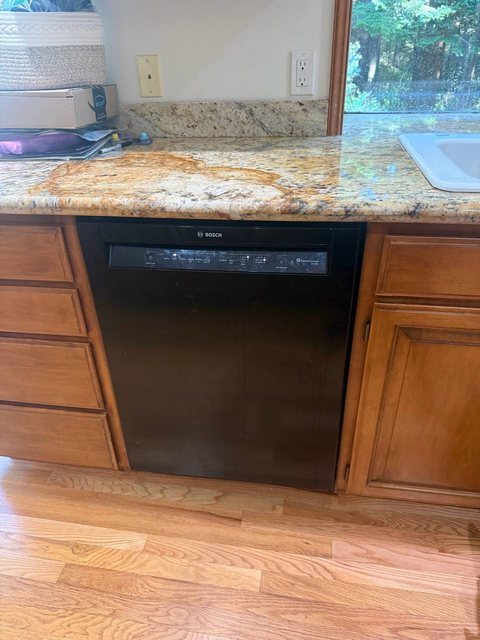 Dishwasher Repair$99 diagnostic · one figure, written
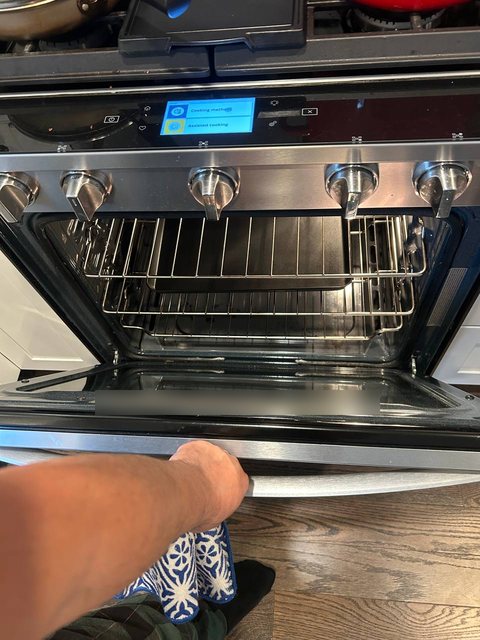 Oven, Range & Cooktop Repair$99 diagnostic · one figure, written
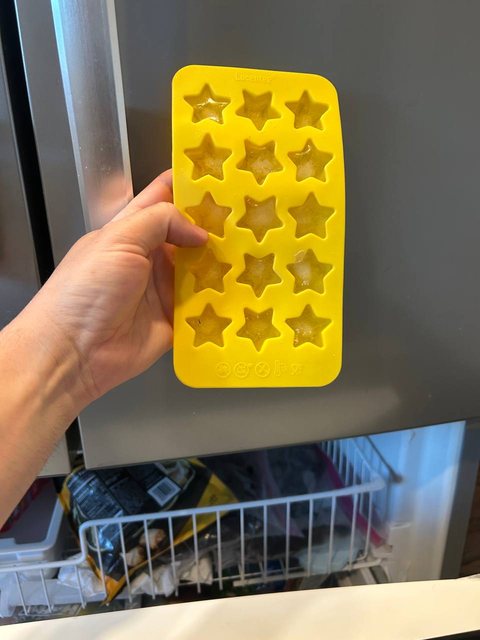 Ice Maker Repair$99 diagnostic · one figure, written